

Endocrinology >>>> Excessive sweating - causes and treatment
Excessive sweating - causes and treatment.

Sweating plays an important role in the regulation of metabolic processes and is one of the mechanisms of a protective response to the environment in the heat exchange system.
Within the framework of metabolism, the endocrine system through perspiration regulates the water-salt balance, using perspiration to remove excess fluid or some chemical compounds, thus compensating for the not always well-functioning kidneys. As part of heat exchange, perspiration plays the role of a thermoregulator: the secreted sweat evaporates from the surface of the skin and cools it, thus protecting the body from overheating. Sweating is a healthy reaction of the body to its internal state and external environment, but only to the extent that it is necessary. Situations where sweating is minimal (anhidrosis) or excessive (hyperhidrosis) are considered abnormal.
In a healthy person, sweating is accompanied by physical activity, stressful situations, a certain environmental regime or body temperature when cooling is needed.
Factors commonly associated with increased sweating include:
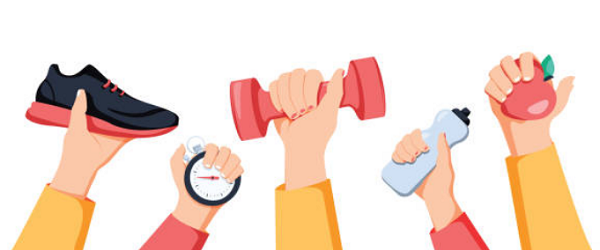
- Exercise, sports,
- Any actions of the human body, accompanied by physical tension of the muscles,
- Stuffy or hot environment,
- High humidity of the environment,
- Nervous tension, fear, pain,
- Infections that cause an increase in temperature as a defense reaction of the body (a drop in body temperature causes profuse sweating).
The reason for increased sweating, as a sign of malfunctions in the body, are situations when sweating occurs as profuse (sweat flows in a stream, for no apparent reason), which often accompanies many serious diseases of the endocrine, urinary, cardiovascular, and nervous systems.
Often, increased sweating occurs during hormonal disruptions (in adolescence or during menopause). The increased sweating of adolescence disappears over time, and the development of increased sweating during menopause requires treatment and hormonal correction.
Excessive sweating, considered a disease, is called "hyperhidrosis".
Hyperhidrosis can occur evenly over the entire surface of the body or locally: in the face, palms, armpits, neck, feet, bends of the limbs, along the spinal column, in the chest, perineum.
Hyperhidrosis, in addition to the uncomfortable state of the body in the area of its occurrence, can also be accompanied by an unpleasant odor, which causes certain torment to a person suffering from increased sweating. With hyperhidrosis of the neck, armpits, feet, clothes in places of contact with the body take on a yellowish appearance, cannot be washed, shoes quickly deteriorate with sweating. Talc cannot save the day, since they do not regulate the excretion of various compounds with sweat, and even if the oozing effect was compensated by a deodorant or talcum powder, the substances released from sweat will still remain on the surface of the skin and will irritate it, provoke an unpleasant odor.
The phenomenon of excessive sweating can provoke the development of various skin diseases, including those of microbial origin (prickly heat, diaper rash, erythrasma, dermatoses), since sweat is a breeding ground for fungi and bacteria, and prolonged maceration of the skin (swelling in the presence of liquid) is an opportunity for its microdestruction.
There are conservative and surgical treatments for excessive sweating. Conservative treatment includes:
- Antiperspirants - due to local biochemical action, they cause a narrowing of the duct of the sweat glands, thus blocking the exit of sweat secretion to the outside. They include ethyl alcohol, compounds of aluminum, zinc, acids, formaldehyde, antiseptics (for example, triclosan), talc.
- External preparations containing atropine, urotropin.
- Trays of herbal infusions with drying and antiseptic effects.
- Sedative drugs (including herbal sedatives).
- Cold and hot shower.
- Medicinal electrophoresis with the introduction of drugs into problem areas that cause temporary dehydration (the effect is not persistent - about a month).
- Injections of botulinum toxin preparations in the treatment of hyperhidrosis give a good result. But there are contraindications to its use, which must first be discussed with a cosmetologist. The action of botulinum toxin preparations is based on blocking the innervation of the sweat glands. Doses of injections are selected individually, correlated with the degree of hyperhidrosis and the area of its occurrence. Usually complete anhidrosis or a significant decrease in sweating occurs in two weeks, and the effect lasts up to a year. The drug is administered intradermally.
Surgical treatment of hyperhidrosis is a cardinal measure for the treatment of increased sweating and is used in cases where conservative treatment of hyperhidrosis does not help. As part of the surgical intervention, sympathectomy is performed - destruction by high-frequency current of the sympathetic nerve or the imposition of a clip on the sympathetic nerve - a clamp. Sympathectomy is performed by incision (currently rarely performed) or endoscopic intervention. Sympathectomy is performed with primary hyperhidrosis, that is, arising as an independent violation of sweating. In the case of secondary hyperhidrosis (the result of any disease), sympathectomy is not performed, but the disease that caused the hyperhidrosis is treated. Sympathectomy has a 98% effect on the treatment of excessive sweating.









Read
Read