
Privacy policy

The Internet resource uses cookies in its work to be useful to you. You can read more about the cookie policy for this resource More details   >>>


Infectious diseases >>>> Mycoses of the lungs

Mycoses of the lungs.

The causes of fungal diseases of the lungs.

Mycoses of the lungs or fungal diseases of the lungs can develop in the body as independent diseases or against the background of other pulmonary diseases of an infectious and non-infectious nature. The routes of entry into the lungs of microorganisms of fungal origin are different. The fungus can enter the lung tissue endogenously - from foci of a fungal infection already present in the body (for example, with candidiasis) or penetrate exogenously (by airborne droplets or through damaged skin and mucous barriers) from the environment (for example, with coccidioidosis, aspergillosis, histomplasmosis, actinomycosis, streptotrichosis, zygomycosis, hyalogyphomycosis, blastomycosis).

There are a number of factors that create preconditions for the development of a fungal infection of the lungs :

  • Reduced immunity, providing weak resistance to pathogenic microorganisms,
  • Dusty atmosphere containing fungal spores,
  • Residential and office space, affected by mold,
  • Chronic lung diseases that create favorable conditions for the defeat of lung tissue by fungal infections,
  • Chronic bacterial infections that weaken the immune system,
  • Medication with drugs that weaken the immune system (corticosteroids),
  • Immune-weakening radiotherapy,
  • Excessive enthusiasm for antibiotic therapy, which causes dysbiosis, in which the composition of the microflora changes towards an increase in the colonies of fungi - saprophytes,
  • Untreated or poorly treated fungal infections that have other lesions in the body.

How to distinguish mycosis of the lungs from another disease?

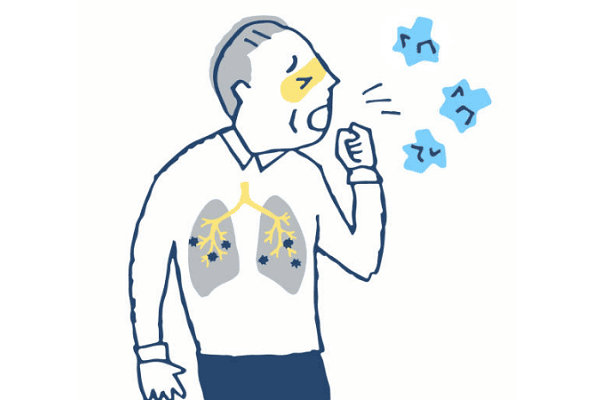
Signs of mycosis of the lungs can hide behind symptoms of acute respiratory viral diseases, resembling chronic bronchitis, asthma or lung disease. The main signs of a fungal infection in the lungs can manifest as an indomitable cough, general weakness, sweating, allergic reactions, chest pain, shortness of breath, and / or fever. Many fungi that can cause toxic damage to the lungs can also provoke general intoxication of the body, which will be reflected in the following symptoms: nausea, dizziness, gastrointestinal disorders.

Only laboratory analysis of sputum and X-ray examination can reliably determine the presence of a fungal infection in the lungs. Sometimes a fungal infection of the lungs occurs in the form of polymycosis (several pathogenic fungi are detected).

Treatment of mycosis of the lungs includes taking antifungal drugs corresponding to the identified pathogenic fungus, the choice of which is also correlated with current human diseases. In parallel, immunostimulating therapy is carried out . The success of treatment depends on the timely provision of qualified assistance, for this reason, self-treatment of fungal diseases of the lungs is unacceptable.



Read


Read



New in Sections


How is Artificial Intelligence useful in medicine?

What is Artificial Intelligence, how does it work in medicine, and what distinguishes Artificial Intelligence from Human Intelligence

Ortholens

The orthokeratological method of treating myopia and the diseases that it accompanies is based on the effect of redistributed pressure on the surface, forcing it to change refraction

Royal jelly – what is it?

With the development of technology, it has become possible to more accurately study the composition of Royal Jelly and understand how it can be used in medicine

What are the useful properties of Savoy cabbage?

The useful properties of Savoy cabbage are well known, although it is not often used in healthy eating as it should be

Medicines from the garden

Many medicinal plants still grow nearby, in forests, gardens, and vegetable patches. Here's a list of fruits and berries that are quite capable of replacing medicinal plants

What are the benefits of Lungwort?

Lungwort is an ancient medicinal plant used to prepare infusions with healing properties. These properties of lungwort are used in

How to treat a cough?

Before treating a cough, it's important to understand the underlying causes. If cough treatment fails, then

Principles of osteochondrosis prevention

A person can prevent the development of osteochondrosis themselves, applying a minimum of effort to this process and using the principles of preventing the development of osteochondrosis

How to combine poor health and physical activity?

To balance poor health and exercise, it's important to consider some of the characteristics of how symptoms of poor health develop. You can use manageable exercise for your current poor health

Exercises to strengthen coordination and balance

This set of simple sports exercises for developing coordination and a sense of balance will help you maintain physical agility

Products for home cosmetology

Products for home cosmetology are in the kitchen. How to combine cooking with the preparation of useful cosmetics for skin and hair?

How to disguise skin defects?

Exposed areas of skin do not always look perfect, but it is possible to mask skin defects without resorting to complex cosmetic methods

How do bronchodilators help?

The dilating effect of this group of drugs means an impact on the contractility of the smooth muscles of the bronchi, on the secretory function of the bronchial mucosa, which allows

Where does cholesterol come from in the body?

Cholesterol is an integral part of metabolism and a vital substance for most physiological processes in the human body. But where does cholesterol come from in the body?

How to give medications to a pet?

Almost all forms of medication for animals are inconvenient to use. So how to give medication to a pet if there is a need for their mandatory intake?

Home observations of pets’ health

Do not neglect frequent examinations of your pet’s health at home, as pet illnesses can develop unexpectedly