


Infectious diseases >>>> Rotavirus gastroenteritis – signs and preventive
Rotavirus gastroenteritis – signs and preventive.
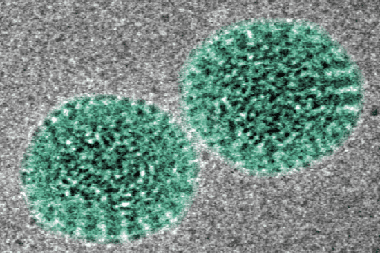
Rotavirus gastroenteritis is an acute infectious viral disease characterized by lesions of the mucous membrane of the gastrointestinal tract, general intoxication, and dehydration. This is a seasonal disease, usually the height of the disease occurs in the off-season and winter. In some regions of the world, the incidence of rotavirus gastroenteritis has the same prevalence as SARS.
Etiology and pathogenesis.
The causative agent of rotavirus infection is a virus of the genus Rotavirus, belonging to the Reoviridae family. Entering the mucous membrane of the small intestine, the virus disrupts the functionality of epithelial cells, which leads to a decrease in the synthesis of digestive enzymes, to the inability to absorb nutrients (especially carbohydrates) and causes diarrhea. The virus is highly resistant to external environments, to disinfectants, acidic environments, ether, but dies at a boiling point of 100 in Celsius.
The source and carrier of infection, as a rule, is a person. Infection occurs fecal - oral, that is, in fact, the disease can be attributed to the group of diseases of "dirty hands" . On vegetables, fruits and other environmental objects, the virus persists for up to 1 month, in water - for more than 2 months, in feces - for about 7 months. A sick person poses the greatest epidemic danger during the first 6-7 days. Most often, the virus is transmitted by water when contaminated waters are discharged into open water bodies. It is also possible to acquire the virus through the consumption of dairy products that are contaminated during the production, storage and marketing stages. Rarely rotavirus transmitted by airborne droplets. The risk group includes newborns, children under 3 years old, elderly people with chronic diseases of the gastrointestinal tract. Asymptomatic carriers of the virus are usually adults, but children (especially children in the first years of life) make up the largest percentage of cases.
Rotavirus infection signs.
Nausea, vomiting, diarrhea, pain in the epigastric region are the first signs of the disease. An increase in temperature is rare, and usually up to 37.2 in Celsius. But in the case of a severe course of the disease, the temperature is high. When examining the oral cavity, nasopharyngeal hyperemia, rhinitis, tongue edema, pharyngitis are observed , and lymph nodes in the neck may be enlarged. It is these symptoms that distinguish rotavirus gastroenteritis from other gastrointestinal diseases. All patients have diarrhea with watery discharge of a greenish or whitish color and flatulence within a week. Prolonged diarrhea is usually accompanied by dehydration of the whole body.
Diagnostics.
Routine bacterial testing does not reveal the pathogen. To clarify the diagnosis, an electron microscopic examination is required. It is carried out in the first days of the illness and two weeks later to confirm the diagnosis. Differential diagnosis is carried out with salmonellosis, cholera, yersiniosis, escherichiosis, as well as with acute poisoning .
Rotavirus infection treatment
Etiotropic (antibacterial) therapy is not indicated. But with a complex course of the disease (especially in young children) with concomitant bacterial infection, antibacterial drugs are indicated, and the use of drugs with antiviral and immunostimulating effects is considered a promising treatment. Severe forms of rotavirus infection require the use of immunoglobulins.
Pathogenetic therapy consists in restoring water and electrolyte balance. In this case, appoint:
Rehydration agents - (oral) or for severe forms (parenteral)
Prepare the solution yourself for 1 liter of water:
- sodium chloride-3.5 g
- potassium chloride-1.5 g
- sodium bicarbonate-2.5 g
- glucose -20g
Or ready-made solutions:
- rehydron
- citroglucosolan
- oralite
- Sometimes colloidal solutions are used after replenishing fluid losses .
- Polyenzyme preparations (to normalize bowel function)
- Astringents
- Adsorbents
- Bacteria
- Diet
The patient is transferred to a dietary diet that excludes carbohydrate-rich foods (sweets, legumes, vegetables, fruits) and fermenting foods (dairy). The diet should be balanced, that is, with the content of proteins, fats, carbohydrates, mineral salts and vitamins. They also increase the frequency of meals.
Preventive actions of rotavirus gastroenteritis
As a rule, the prevention of the disease is aimed at identifying the source and territory of the spread of the pathogen by monitoring the environment (water, household objects and objects of food intake). The emphasis is on compliance with sanitary and hygienic standards, strict adherence to personal hygiene. In some countries, it is customary to use a specially designed vaccine for such cases.












Read
Read













