

Digestive system >>>> Intestinal obstruction: symptoms and treatment
Intestinal obstruction: symptoms and treatment.
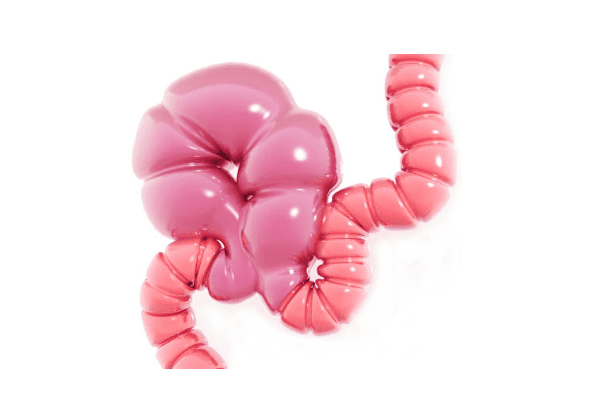
Intestinal obstruction is a serious and dangerous condition characterized by the cessation of the movement of food masses through the intestines. There are a number of factors provoking this condition, which can be divided into factors of mechanical and non-mechanical effects.
Mechanical factors contribute to the narrowing of the intestinal lumen and block its contents, which causes intestinal obstruction. These include:
- Pathological changes in the intestinal wall: diverticula, tumors, intussusception (protrusion of the intestinal wall towards its lumen);
- Hernias (external and internal);
- Adhesions in the abdominal cavity;
- Gallstones or fecal stones formed as a result of pathological processes in the digestive system;
- Foreign bodies accidentally swallowed;
- Entrapment of the intestine with abundant food intake or prolonged fasting (volvulus);
- Congenital or acquired changes in the apparatus that fix the intestines, manifested in the restriction of the free movement of the intestines in the abdominal cavity.
Non-mechanical factors of intestinal obstruction:
- Violation of the system of nervous regulation of intestinal motility during surgical interventions;
- Pathological changes in the cellular structure of intestinal smooth muscles;
- Hypo- or hyperkalemia (abnormal level of potassium ions in the blood plasma);
- Abnormal changes in the intestinal walls due to inflammatory processes (for example, scleroderma);
- Violation of peristalsis as a protective function of the body in chronic trauma and wounds of the intestine;
- Decreased peristalsis due to the intake of medications, which include substances that inhibit the motility of intestinal smooth muscles;
- Thrombosis or atherosclerosis of the mesenteric arteries, provoking hypoxia (insufficient blood supply) of the intestinal wall and the development of intestinal ischemia.
Bowel obstruction signs:
- Severe abdominal pain, cramping,
- Stool retention
- The accumulation of gases and the impossibility of their discharge,
- Desire to vomit
- Bloating
- Signs of body intoxication,
- Dehydration,
- Perspiration,
- Blanching of the skin,
- In some cases, hyperperistalsis appears, rumbling in the abdomen.
Intestinal obstruction is a medical emergency requiring immediate hospitalization and possibly surgery.
When diagnosing intestinal obstruction, X-ray and ultrasound of the abdominal cavity are performed, and blood tests are examined.
Intestinal obstruction can develop as an independent pathological condition or be the result of a disease. But in any of these cases, immediate treatment of intestinal obstruction is required.
In simple cases, probing is carried out, enemas are used, droppers are made to restore water and electrolyte balance, the introduction of antispasmodics, analgesics, antiemetic drugs. In severe cases, an operation is performed to resect a section of the intestine.
If the intestinal obstruction is caused by a decrease in the contractile functions of the smooth muscles of the intestinal wall, then drug therapy is carried out, and not surgical intervention.
After carrying out medical manipulations, the patient is prescribed rest and fasting for a time determined by the doctor.
If you suspect intestinal obstruction, you can't:
- take laxatives
- use pain relievers,
- do an enema and / or wash out the stomach without preliminary examination.
Treatment of intestinal obstruction with timely access to a medical institution has a favorable outcome. With adhesions, relapses are possible. An unfavorable outcome is possible in case of late diagnosis of the disease, in elderly people with poor health and the presence of inoperable tumors.









Read
Read