


Health for a lifetime >>>> What are artificial foods?
What are artificial foods?
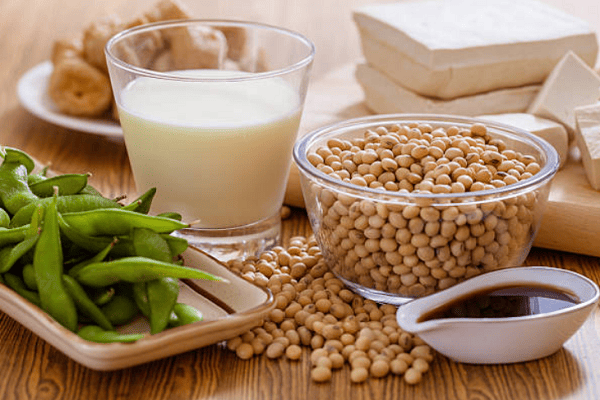
Artificial food has long since moved from the pages of science fiction into real life. The need to create artificial foods arose in close connection with space exploration, as cosmonauts spending long periods on space stations were forced to consume food that did not spoil and was easily digestible. Currently, the creation of artificial foods has become more widespread, and such food has become available to people of various professions. The combined efforts of the food and chemical industries in the creation of artificial foods has led to improved quality and a synthetic food product that is virtually indistinguishable from natural foods.
Artificial or synthetic foods are produced from natural plant-based components, from which chemical and biological technologies create the starting material, and then from this natural material, a food product with desired nutritional characteristics is produced (artificially created). The conversion of plant protein into animal protein is based on this type of technology.
To obtain the raw ingredients for food, soy or wheat proteins are processed in a special way to produce the desired food categories. A well-studied technology for working with soy or wheat proteins allows for their "spinning" and producing dietary fiber, which is used in the production of various food products. This technology is similar to the creation of silk threads, which are then turned into fabric, and in the case of the food industry, into food elements.
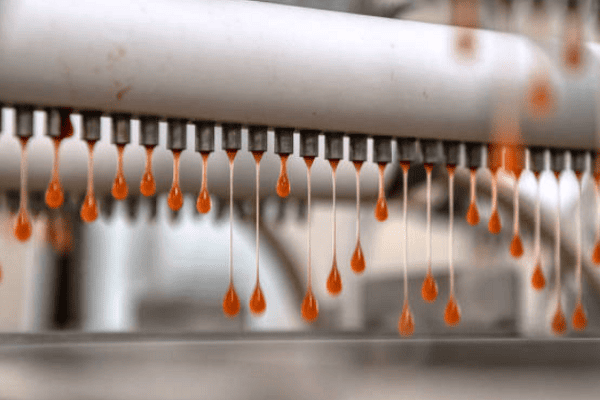

Modern trends in food and chemical industry technologies now allow the use of virtually any type of dietary protein in food products. For example, this technology for creating artificial products is used to produce artificial protein caviar, which almost perfectly imitates real fish roe. Casein, a milk protein, is used as the starting material for artificial protein caviar. The caviar's fishy flavor is provided by fish oil, salt, and vegetable oil. Black tea or carrot juice imparts color to the artificially produced fish roe, producing black or red caviar, respectively.
Dairy derivatives (cottage cheese, cheese, milk) can be easily synthesized from soy protein, which is closest in chemical composition to meat and dairy products. Soy curd and soy milk have long been an integral part of the diets of athletes and vegetarians. Soy protein can be used to produce sausages, cold cuts, ham, bacon, and ground meat (which is then used to make beefsteak). Soy protein is also used to create chicken and turkey meat.
Wheat protein is also good for making cutlets and chops, sausages and bacon, and fried meats. The flavor and color of these products are created using various flavorings.
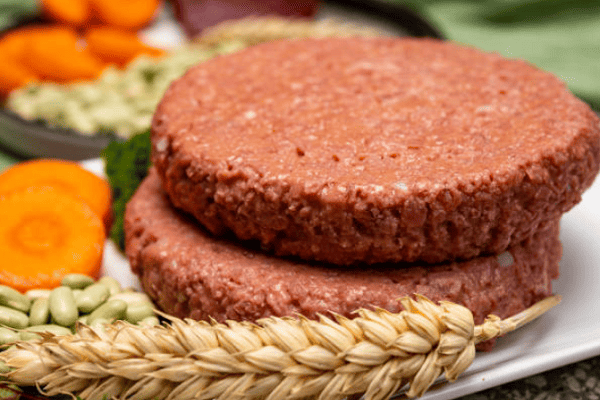
The development of artificial foods solves many problems related to food security for various segments of the population, making these foods affordable because they are much lower than similar natural products. The indistinguishable taste of these synthetic foods from natural ones makes them attractive to people following various dietary guidelines.
Despite the fact that synthesized food products are called artificial products, they are all created on the basis of biological constructs of natural proteins that are beneficial for nutrition and safe, unless there are contraindications to the consumption of such products associated with allergic reactions to certain types of natural proteins or with their intolerance by the body itself.












Read
Read













