


Pet care >>>> How to give medications to a pet?
How to give medications to a pet?
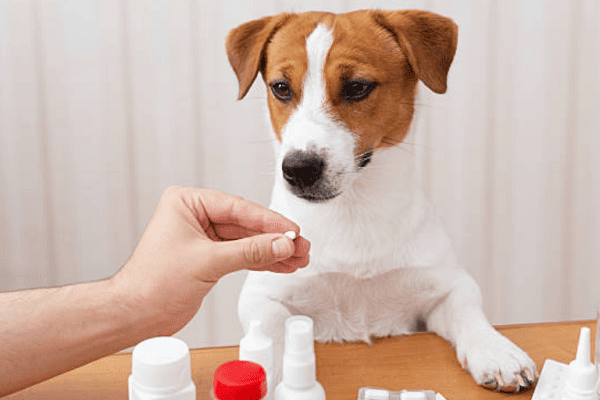
No one likes taking medications, and pets are no exception. But if an adult takes medications, feeling a vital need to take them, a child can be persuaded, then for an animal neither method is acceptable.
There are the same forms of medications for animals as for people. Almost all forms of medicines for animals are inconvenient to use, since the animal does not know how to swallow tablets or capsules on its own. If you pour medicinal powder, a solid form of medications crushed into powder, a mixture into water and food, the animal will quickly recognize the presence of an unwanted substance in food or water, since animals have a very sensitive sense of smell and a selective taste for food. How to give medications to a pet if there is a need for their mandatory intake?
The procedure of taking medications in pets is forced, and it is better to do this procedure together with an assistant - one holds the animal, the other opens the jaws and pushes the tablet or capsule into the mouth. Some types of dogs and cats can eat a capsule or tablet during a meal (thick puree or mixed cutting of products), not paying attention to the presence of medications in the food. But this is very rare, and you can’t hope for an easy delivery of medications to the animal, although at the beginning of the treatment it is necessary to check whether it is possible to give the medications to the animal in such a simple way.
Liquid medications (mixtures, powders dissolved in water) are conveniently poured into the pet's mouth through a syringe without a needle or a small enema (measuring the size of the enema tip with the size of the pet's mouth), inserting the syringe or enema tip into the mouth from the side (closer to the corner of the mouth).
If the animal refuses to swallow the medicine that was given or poured into its mouth, then it is necessary to gently stroke its neck, provoking peristalsis of the esophagus.
All medications are given to pets during or after meals, unless otherwise specified in the instructions for the medication or specified by the veterinarian. It is important to remember that many medications can irritate the gastric mucosa, and this must be taken into account when administering medications to animals.
At first, a pet may resist the procedure of taking medications, be afraid and even bite, trying to escape from the hands of the owner. But if immediately after the procedure of taking medications the animal is given its favorite treats, is treated tenderly, then over time it will get used to it and will be more tolerant of taking medications, will stop being offended by the owner, running away and hiding at the time when regular medication is scheduled.












Read
Read













