

Rest turned into disease >>>> Winter types of body hardening
Winter types of body hardening
With the arrival of winter cold, some changes occur in the human body, which can be considered as the results of interaction with low environmental temperatures:
- The body's susceptibility to allergic reactions changes for the better due to the fact that the body's production of histamine decreases as a result of the lack of reaction to plant flowering.
- Blood circulation is activated even in those areas of tissue where blood supply was difficult – as a reaction of the body to internal heating.
- Metabolism is enhanced, which is responsible for supporting the body with additional calories.
- The breathing processes in all areas of the respiratory system improve – oxygen supply improves.
- The immune system goes into a state of combat activity to protect the body from various infections.
- Frosty air tones the nervous system well, which has a beneficial effect on the functioning of the brain - depressive states disappear, and are replaced by an uplifted mood and healthy sleep.
All of the above changes in the body's functioning indicate that the body is hardened enough to survive during the cold period. But there are a number of additional types of hardening that can be carried out specifically during the period of winter temperature drops.
Winter types of body hardening allow you to further increase your body's endurance and resistance, but at the same time they can also cause harm to your health if you carry out winter body hardening while being unprepared for the stress caused by a sudden transition to noticeably cold procedures.
It is not useful and very dangerous to swim in an ice hole in severe frosts if you do not have the skills developed over the years to dive into water with a temperature below 15 degrees Celsius. This type of winter hardening can cause not the expected reaction of toning the body, but large-scale stress and failure of all systems, and this will be followed by illness and even death.
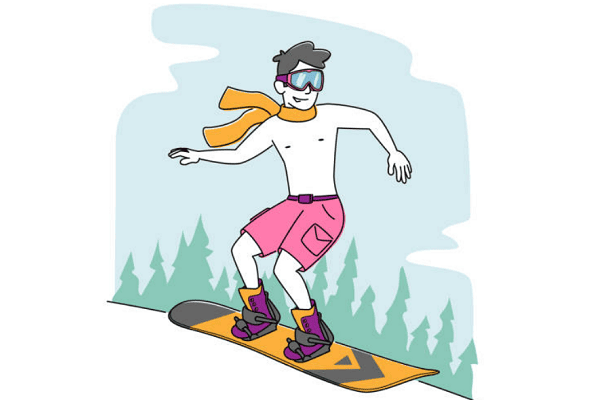
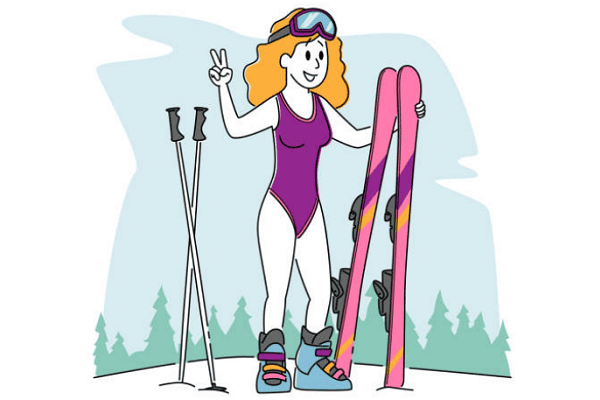
But it is very useful to walk a lot in the frosty air, run through snowdrifts, swim in snowdrifts (dressed up), play active sports and recreational games (skating, sledding, skiing and other various devices for active winter outdoor recreation).
It is not useful to sleep in a draft with open windows or balcony doors in the winter cold, but it is useful to frequently ventilate the room, letting frosty air into the room in large volumes, especially the sleeping room.
Rubbing yourself with snow is as useful as washing yourself or rubbing yourself with cold water, but such winter procedures require snow cover that is not contaminated by car exhaust, dusty ice crusts and animal excrement. Such snow cover can be found in forests that are rarely visited by people.
It is useful to run barefoot in the snow – it causes an additional effect of cheerfulness, but it is better to start such runs with running in the snow in socks. At first, run in warm, thick woolen socks, and gradually move on to thinner socks made of cotton fabric. It is very dangerous to start running barefoot in the snow without preliminary hardening of the feet with at least regular daily cold baths (start with lower water temperatures and gradually move on to cold water with the addition of ice cubes).
Despite the fact that winter is a good time for winter hardening of the body, one should not neglect the well-known limitations in the use of hardening during periods of activation of chronic diseases, during periods of recovery after illnesses, in the presence of sluggish diseases of any kind, during periods of chronic fatigue and prolonged stress.










Read
Read