

Medicine questions >>>> Where does cholesterol come from in the body?
Where does cholesterol come from in the body?
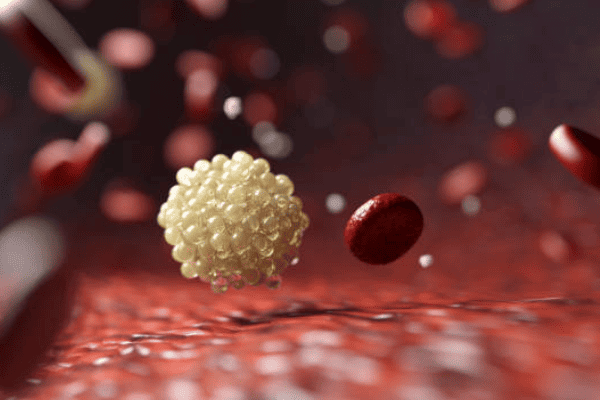
Cholesterol is an integral part of metabolism and a vital substance for most physiological processes in the human body. Without cholesterol, it is impossible to build proper cell membranes for all cells that make up all types of body tissue. Without cholesterol, the body cannot synthesize bile acids, which are involved in the absorption and utilization of fats during digestion. Cholesterol is the starting material for the synthesis of steroid hormones of the adrenal cortex (corticosteroid hormones), as well as for the synthesis of sex hormones (estrogens and androgens). Cholesterol is used to synthesize vitamin D. Cholesterol forms the substance of the brain and cells of the peripheral nervous system. Cholesterol also serves as the structural (plastic) material for the formation of feces.
Where does cholesterol come from in the body? A unique fact is that cholesterol can be synthesized through internal metabolic reactions (exogenous) and acquired through food (endogenous). The human body always has cholesterol reserves in case of insufficient or complete lack of dietary intake. The liver is the main consumer, producer, and storer of cholesterol reserves (responsible for 80% of cholesterol synthesis). However, cholesterol can also be synthesized by cells in other tissues: for example, cells in the small intestinal wall are responsible for 10% of cholesterol synthesis, and skin cells are responsible for 5%.
It's important to know that cholesterol is synthesized under the influence of a number of enzymes, and its synthesis can be affected by statins (hypocholesterolemic active agents), which block one of the enzymes involved in cholesterol synthesis and are responsible for the rate of cholesterol formation in the body. When the required amount of cholesterol synthesized in the liver decreases (for example, due to statin use or pathological processes in liver cells), the body, using special receptors located on the surface of liver cells (hepatocytes), begins the process of capturing low-density lipoproteins from the blood, i.e., capturing fats consumed with food.
Although the body produces cholesterol itself, it also requires replenishment of endogenous cholesterol from fatty foods consumed with food. This means that any long-term consumption of low-fat foods can trigger an acute cholesterol deficiency, which in turn can lead to the development of a number of diseases in the organs that rely on cholesterol for their vital function. The liver, skin, and gastrointestinal tract are the first to suffer from cholesterol deficiency, followed by disruptions in hormone synthesis and dysfunction of the central nervous system, as cholesterol is an essential component of the brain.
An adult's body normally contains approximately 4.2-5.6 ounce of cholesterol (at a rate of 0.1 ounce per 2.2 pounds of body weight). The body needs to consume approximately 1,300 mg of exogenous and endogenous cholesterol daily. The body synthesizes approximately 800 mg of cholesterol per day. Based on these calculations, a person should consume enough fatty foods daily to allow the body to synthesize the required 500 mg of cholesterol. This is the origin of the principle of a balanced diet, which must include foods rich in fat. Only then can we speak of a healthy diet.









Read
Read