

Health for a lifetime >>>> How does alcohol affect digestion?
How does alcohol affect digestion?
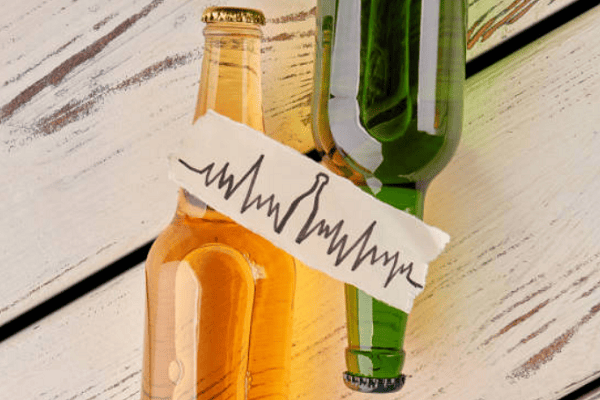
The common belief that drinking alcohol before a meal improves digestion, stimulates appetite, and poses no harm is based on the rules for drinking aperitifs. However, observations and experiments by medical scientists indicate the opposite effect of alcohol. They indicate that absolutely all organs of the digestive system, as well as interconnected organs in other systems, are exposed to the harmful effects of alcohol, even if this alcohol is consumed correctly as an aperitif, regularly before meals, even in small doses. How does alcohol affect digestion?
Regular alcohol consumption irritates the esophageal mucosa, causing gastric juice to flow back into the esophagus, which causes additional acid injury to the esophageal mucosa already burned by the alcohol.
The mucous membrane lining the stomach is also vulnerable to alcohol. Digestive ducts that reach the surface of the mucous membrane are damaged, which disrupts the enzymatic activity of the stomach to break down food. As a result, alcoholics develop gastric and duodenal ulcers, which are difficult to treat due to alcohol consumption.
But these diseases do not constitute a complete list, as alcoholic gastritis and, gradually, stomach cancer develop.
The pancreas begins to deteriorate much faster than the rest of the digestive organs because it lacks the enzymes that break down alcohol, and its overall production of digestive enzymes begins to decrease. This is how pancreatitis develops. The worst-case scenario is the development of pancreatic cancer.
Another organ of the digestive system, the liver, is extremely sensitive to alcohol consumption. Under the influence of alcohol-containing beverages, fibrous tissue begins to form and grow in the liver, replacing liver cells, leading to alcoholic cirrhosis.
The intestines, where the absorption of beneficial and vital substances for the body occurs, also suffer from alcohol. Alcohol destroys the structure of the mucus layer lining the intestines, which slows down the digestive process as a whole. The absorption of amino acids, vitamins, mineral salts, carbohydrates, proteins and fats, water, and other food components, which are the very reason the human digestive system functions, is interrupted.
As a result, regular drinkers, especially aperitifs, begin to lose weight because the body depletes its reserves and is deprived of the nutrients it needs to maintain optimal health. Alcohol can cause and result in rapid weight loss, vitamin deficiencies, and a host of other digestive-related health problems








Read
Read