

Phytotherapy >>>> What are the benefits of Lungwort?
What are the benefits of Lungwort?
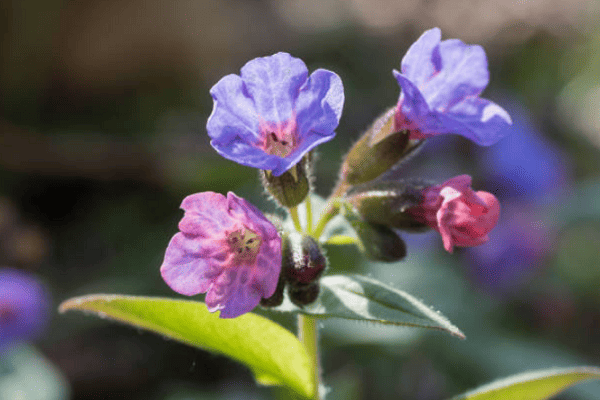
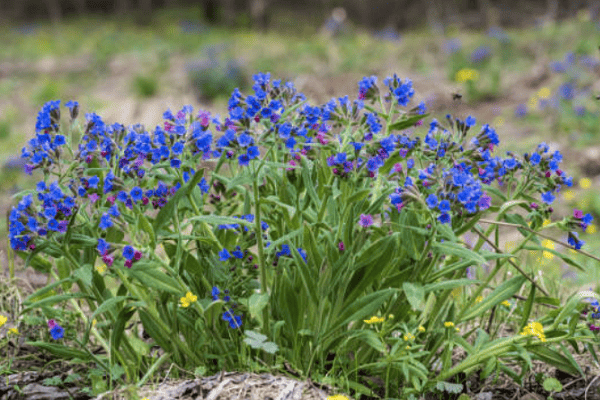
Lungwort (scientific name: Pulmonaria officinalis L.), is a rather attractive plant with medicinal properties. It is easily distinguished from other plants by the varying colors of its flowers on a single stem. This is because, throughout bud opening, mid-bloom, and late bloom, the petals of Lungwort change color from pink to purple (or lilac), and finally turn blue. This variety of colors makes Lungwort a decorative and pleasing plant.
Lungwort is an early spring plant, but it can be harvested for medicinal purposes from spring to fall, as different parts of the plant are useful for harvesting at different stages of the growing season. Late spring is the period of bud formation. At this stage, the above-ground portion of the plant with unopened buds is cut. The green mass with buds is dried in the shade, crushed, and stored in paper bags, cardboard, or wooden containers in a dark, dry place until ready to use.
The roots of the lungwort plant are harvested in the fall, dried, and crushed for storage. All parts of the plant, in the form of prepared dried raw materials, are used to prepare infusions for various upper respiratory tract and lung conditions (inflammation of the pharynx, bronchial mucosa, and lung tissue).
The plant's Latin name, "Pulmonarius" (healing for the lungs), speaks for itself. Lungwort is an ancient medicinal plant used to prepare infusions with expectorant and anti-inflammatory properties. These infusions are used for various ailments accompanied by dry cough and hoarseness, as lungwort has anti-inflammatory and anti-allergic properties in addition to its expectorant properties.
These properties of Lungwort are also used to treat diathesis and various inflammatory diseases of the bronchial mucosa. The pharmaceutical industry produces the drug "Choleletin" from Lungwort raw materials.
The Lungwort plant contains many tanning agents, which allow this plant to be used for the prevention and treatment of diarrhea, various types of skin inflammation (externally), for the treatment of scratches and abrasions, and superficial wounds.
Lungwort contains large amounts of carotene, rutin, and vitamin C. Its very high manganese (over 10%), copper, and iron content allows it to be used to regulate endocrine gland function, improve blood quality, and treat liver and kidney diseases (nephritis). Lungwort is beneficial for thyroid disorders, which is perhaps why it is popularly known as "Iodine Herb."
The unique combination of vitamins and minerals found in Lungwort can be used to enrich food with vitamins. For example, in the UK, lungwort salads are very popular, using the plant with buds and flowers as early greens. These salads are not only healthy but also decorative, adding a touch of spice to the table.












Read
Read