


Health for a lifetime >>>> What is intra-abdominal pressure?
What is intra-abdominal pressure?
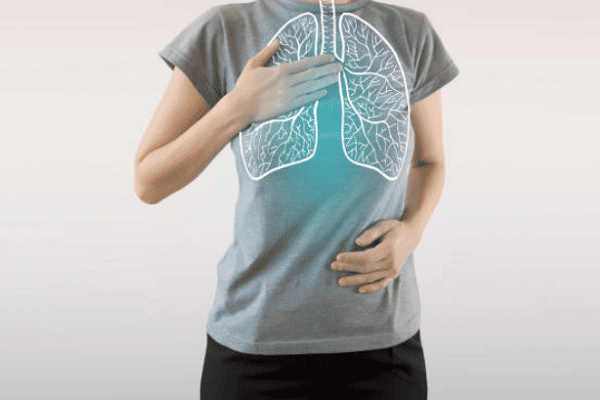
It is known that, based on the anatomical features of the human body's internal structure, it has two cavities for housing internal organs: the abdominal cavity and the thoracic cavity, separated by the diaphragm. Each cavity generates a certain amount of pressure, which is distributed approximately equally between the two cavities. Increased intra-abdominal pressure is considered to be elevated when the pressure in the intra-abdominal cavity is higher than that in the thoracic cavity.
Under normal physiological conditions, intra-abdominal pressure fluctuates between zero and 5 mmHg. Under certain circumstances, abdominal pressure may exceed normal limits and rise to levels between 10 and 15 mmHg. Short-term fluctuations in intra-abdominal pressure are directly related to the body's current position (upright or horizontal), the degree of intestinal fullness, excessive intestinal gas formation, and abdominal muscle tension.
When does intra-abdominal pressure increase? Several factors contribute to increased intra-abdominal pressure, which may be unrelated, occur simultaneously, or in various combinations. For example:
- a sudden transition to prolonged muscle tension in the abdominal area (for example, pumping up the abdominal muscles without gradually increasing the load);
- maximum increase in lung volume with full inhalation;
- lifting weights with untrained muscles;
- flatulence;
- excessive intestinal fullness;
- severe persistent cough;
- chronic constipation with constant straining;
- uncontrollable vomiting;
- severe obesity of the abdominal organs (abdominal obesity);
- pregnancy;
- large tumors located in the abdominal cavity;
- ascites;
- violation of the elastic properties of the abdominal wall.
Increased intra-abdominal pressure can contribute to weakening of the ligaments and tissues separating the thoracic and abdominal cavities. This can lead to the development of complex diseases of the internal organs, particularly the digestive organs, where the stomach can move above its normal physiological position and even occupy some part of the chest cavity (partially extending beyond the diaphragm separating the thoracic and abdominal cavities). This can also impair the function of organs such as the kidneys or liver, causing compression of the parenchyma and blood vessels of these organs. Increased intra-abdominal pressure can also affect blood circulation in the main vessels.
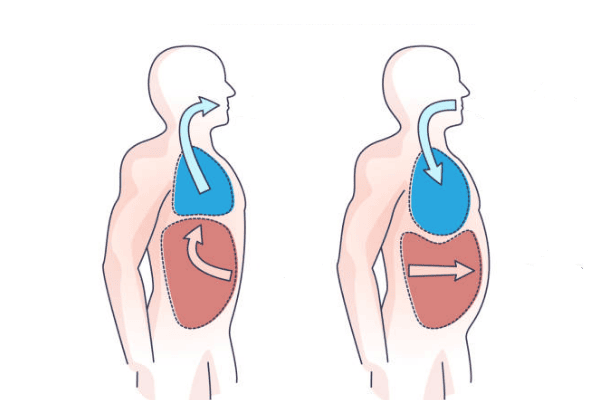
A significant and sustained increase in intra-abdominal pressure can shift the position of the diaphragm toward the chest cavity, which, in turn, leads to an increase in intrathoracic pressure and affects the functioning of internal organs such as the heart and lungs.
Pathology associated with elevated intra-abdominal pressure is considered when its values consistently exceed normal limits. Intra-abdominal pressure is measured using several methods, the most gentle of which is bladder catheterization with the simultaneous introduction of a known volume of saline solution, followed by monitoring the level of the fluid filling the tube externally connected to the catheter during full exhalation. This method is considered not only gentle but also the most accurate for measuring intra-abdominal pressure.












Read
Read













