


Respiratory system >>>> How to treat a cough?
How to treat a cough?
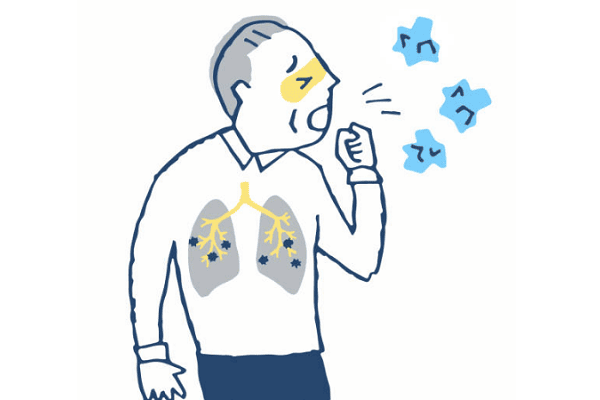
Self-treating a cough can be challenging, as before treating it, it's important to understand the underlying causes. People often make unacceptable mistakes when trying to cure a cough on their own. For example, there are many medications marketed under the generic name "cough suppressants." However, these medications can have different effects, and when combining them, it's important to understand which medication is needed at any given point in the cough treatment process.
A cough usually doesn't go away on its own, as it's a signal of problems in the body. Coughing is a protective reflex used by the body to clear the respiratory system of foreign dust particles, chemical vapors, infectious agents (bacteria, viruses, fungi, and similar microorganisms), as well as food particles, drops of water, or other beverages. For this reason, well-known folk remedies are ineffective in treating a cough unless the exact cause is known.
Treating cough with medications that suppress this reflex is strictly not recommended, as you could make a mistake and use a cough suppressant when coughing is vital to remove phlegm.
You cannot treat a cough with antimicrobials unless you know exactly which microorganism is causing the cough.
To treat a cough successfully, it's important to understand when the body needs mucus thinners, when expectorants are needed, and when cough suppressants are needed. Only a doctor can properly combine all types of cough medications after conducting sputum tests and examining any underlying medical conditions that could contribute to the cough.
Natural cough remedies may be ineffective because they are weak, insufficient to suppress the underlying factors. A weak effect on the underlying causes of the cough can, in turn, delay treatment of the underlying conditions.
Attempts to treat the cough itself, but not the underlying condition that triggered the cough, will at best be unsuccessful, and at worst may lead to complications of the underlying condition rather than its cure.












Read
Read













