


Respiratory system >>>> Recurrent pneumonia – what is it?
Recurrent pneumonia – what is it?
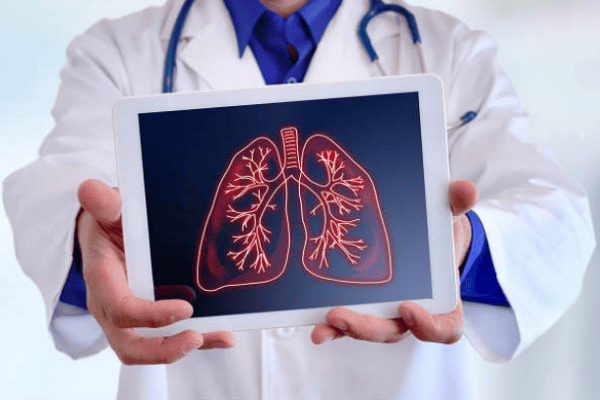
Some types of pneumonia can persist for quite a long time even with treatment, lasting for two, three, or four months, or even up to two years. Recurrent pneumonia progresses in waves, sometimes improving, sometimes worsening. With this type of pneumonia, the inflammatory process in the lung tissue, which has not yet resolved, begins to worsen (recur).
The development of recurrent pneumonia has causes that may be associated with one or more factors:
- Incorrect choice of antibiotic for the treatment of pneumonia;
- Insufficient duration of antibiotic treatment;
- Too long a course of antibiotics, with loss of treatment effectiveness and accompanied by allergic reactions of the body;
- The body's resistance to the selected type of antibiotics;
- Incorrect diagnosis of the disease process.
It has been observed that recurrent pneumonia most often develops in children from infancy and with certain types of diseases, for example:
- Reduced immunity,
- Tendency to allergies,
- Defects of the bronchopulmonary system,
- Chronic ENT infections,
- Rickets,
- Anemia,
- Hypotrophy.
Signs of recurrent pneumonia manifest themselves in the form of a lingering cough, which can be paroxysmal.
Treatment of recurrent pneumonia involves reviewing and adjusting the initial treatment strategy, as well as conducting new diagnostics taking into account the disease history, new laboratory tests, and the initial diagnostic methods already performed.
The prognosis for treating recurrent pneumonia is 90% cure with proper (adjusted) treatment. However, recurrent pneumonia can sometimes become chronic.












Read
Read













