


Healing diets >>>> Diet for duodenal ulcer
Diet for duodenal ulcer
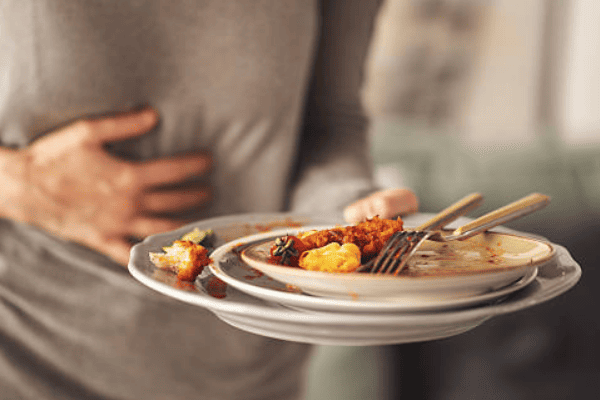
A diet for duodenal ulcers can also be followed on an outpatient basis (at home). To accelerate the healing process of the duodenal wall, minimize inflammation, and ultimately eliminate it, in addition to following the diet, moderate bed rest is recommended, which has a beneficial effect on intra-abdominal pressure and gastrointestinal blood flow.
The diet for duodenal ulcers is combined and divided into two phases: the acute phase of the disease and the subsequent phase, once the severity of the condition has been alleviated by medication. During the acute phase, food is boiled and mashed. However, later, the patient switches to a normal food consistency, but maintains the same cooking methods—boiling and steaming.
A very important aspect of a duodenal ulcer diet is splitting meals into 5 or 6 times throughout the day. Portions are smaller, but overall calorie intake remains appropriate for the patient's age category, without overeating. Meals are spaced out to avoid overloading the gastrointestinal tract with too much food and causing excessive enzyme secretion, which can irritate the ulcer lining. Eating multiple meals throughout the day allows the freely acidic environment of the gastrointestinal tract to be used for digestion, preventing gastric juices from affecting the walls and lining of the stomach and intestines, thereby creating conditions for rapid ulcer healing.
To ensure that the healing process of a duodenal ulcer proceeds without hindrance, a certain set of foods is introduced into the diet:
- Rusks made from bread and bakery products baked from wheat flour.
- Well-cooked light and lean meats (poultry, pork, veal) until tender.
- Soups are purees (but not made from legumes) based on cereals, pasta or vegetables.
- Well-cooked cereal porridges made from pearl barley, rice, and buckwheat.
- Mashed potatoes or carrots, or fruit purees made from heat-treated fruits with a non-acidic or slightly acidic flavor, such as sweet plums, sweet apples, peaches, apricots, pears, and melon. To avoid boiling the fruit and the loss of vitamins and minerals, simply boil the fruit for 1-3 minutes (the time in minutes depends on the density of the fruit pulp).
- If boiled meat cannot be chewed thoroughly, meat dishes are prepared in the form of minced meat (cutlets, meatballs, meatballs) or in the form of meat pate (chicken or liver), but not from fried ingredients, but from baked or boiled ones.
- Milk and dairy products (low-fat cottage cheese, feta cheese soaked in salt, cottage cheese casseroles, lazy dumplings with cottage cheese) are included in the diet for duodenal ulcers.
- It is useful to include boiled or steamed fish in the diet, as well as fish cakes, fish casseroles, and homemade fish pate without seasonings or spices.
- It is recommended to eat eggs in the form of steamed omelettes or hard-boiled.
- It is permissible to consume juices based on beets, carrots, pumpkin, peaches, apricots, pears or juices from other sweet fruits and vegetables.
To follow a diet for duodenal ulcers, you will have to give up sauces: milk, tomato, or mayonnaise, and any other sauces containing seasonings, spices, vinegar, or mustard.
Smoked, pickled, spicy and fried foods should be excluded from the diet.
When following a diet, it is unacceptable to consume sour or salty fruit juices (tomato, pomegranate, citrus, cherry, plum, strawberry, raspberry, dogwood, red or black currant), as well as compotes or fruit drinks based on these fruits and berries.
It is essential to strictly avoid alcoholic beverages and alcohol-based drinks, even those with low alcohol content. Avoid fermented beverages and foods (such as kvass, sauerkraut, pickled apples or berries), as well as dairy products in the active fermentation stage.
Follow a diet for duodenal ulcers until the ulcer is almost completely scarred (healed)
.











Read
Read













