

Emergencies >>>> Signs of internal bleeding
Signs of internal bleeding.

Internal bleeding is one of the most dangerous types of bleeding that requires immediate hospitalization. Therefore, a very important moment for saving the life of the victim is the timely identification of signs of internal bleeding, invisible to the naked eye.
Internal bleeding is characterized by hemorrhage in the cavity of internal organs (intestines, stomach, bladder, uterus), interstitial lumens (subcutaneous tissue, intermuscular space, between aponeuroses) and cavities (abdominal, pleural, cranial) as a result of violation of the integrity of the walls of venous or arterial vessels.
Internal bleeding can be caused by:
- non-penetrating impact injury,
- internal trauma by a foreign object trapped in the cavity of an organ when swallowed or a ligature that has jumped off the vessel (during surgery),
- damage to blood vessels and organs as a result of closed bone fractures,
- cracks in the walls of the stomach or intestines caused by ulcers, tumors, or simply excessive food intake,
- aneurysms of the vessels of the brain, abdominal and pulmonary aorta,
- violation of ectopic pregnancy
- and many more factors that a person may not even be aware of
Features and signs of internal bleeding
General signs characteristic of blood loss with any type of internal bleeding :
- Pale skin
- Dizziness (possible loss of consciousness)
- Cold extremities
- Perspiration,
- A sharp drop in blood pressure
- Fast and weak pulse
- Tachycardia,
- Drowsiness or, on the contrary, growing anxiety,
- Weakened or labored breathing.
Particular signs of gastrointestinal bleeding:
- Vomiting with blood clots or coffee grounds
- Feces with blood impurities or tar-colored
Specific signs of bleeding into the abdominal cavity:
- Abdominal pain
Special signs of pulmonary hemorrhage:
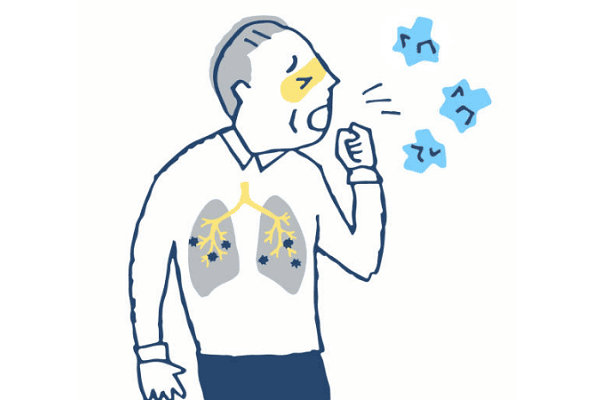
- Cough with blood-streaked sputum
- Cough accompanied by a mouthful of blood
Special signs of internal bleeding from kidney or bladder damage:
- Blood clots in the urine
- Blood-stained urine
Features of parenchymal bleeding (in case of damage to the parenchyma (structural material) of internal organs: kidneys, liver, spleen):
Since the blood vessels of the above listed organs are connected directly with the parenchyma, they do not collapse, which makes it difficult to stop bleeding. And it is in such cases that large blood loss is possible.
Special signs of cerebral hemorrhage:
- Headache attack
- Dizziness
- Loss of consciousness
- Nausea
- Vomiting
- Speech impairment
- Synchronous movement disorders
- Convulsions
First aid for suspected internal bleeding:
- Call the emergency car for transportation to the nearest surgical department (time is important).
- If there is a suspicion of bleeding in the upper body (pulmonary, gastric, intracranial, etc.), give the victim a half-sitting position with bent knees.
- If bleeding in the abdominal cavity is suspected, the victim is given a lying position and a cold compress or hot water bottle with ice is applied to the abdomen.
- If there is a suspicion of internal bleeding, the victim is strictly forbidden to drink, eat, take analgesics or other medications until the special instructions of a doctor.








Read
Read