


Medical procedures >>>> Cold-plasma adenoidectomy
Cold-plasma adenoidectomy.
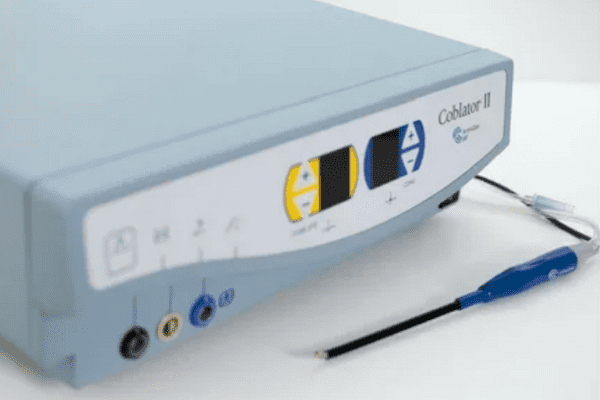
Surgery in the treatment of enlarged adenoids has undergone significant changes. The minimally invasive method of removing adenoids "Cold-plasma adenoidectomy" has replaced the surgical instrument adenotome and endoscope. The method presented by the company - the developer was named "Cold-plasma Ablation", and the tool for its implementation – Cold-plasma coblator (Coblator from "Controlled ablation").
Coblator is an apparatus capable of creating a narrowly focused cloud of sodium plasma, with the help of which tissues are dissected (destroyed). The instrument resembles an electrode working with a temperature of up to 140–150 degrees Fahrenheit (60-70 degrees Celsius), but at the same time the set temperature is kept only in the working area, adjacent tissues are not subject to temperature changes.
Coblator is able to dissect all types of soft tissues and cartilaginous tissue, but at the same time the site of exposure to sodium plasma is immediately coagulated, which turns the surgical intervention into a bloodless procedure.
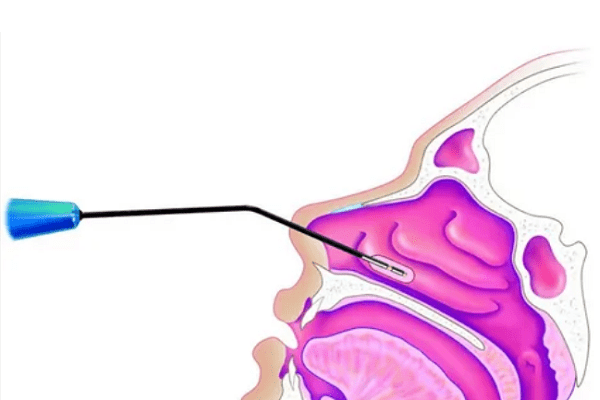
An interesting fact is that the electrode works in a physiological isotonic solution of NaCl (it creates a sparkling cloud - plasma during the discharge). The plasma cloud works at a distance of 0.1 inch from the tissues, destroying the lymphoid tissue of the adenoids to its constituent parts: nitrogenous compounds, water and carbon dioxide. The time for cold-plasma adenoidectomy is reduced to 2-3 minutes.
The advantage of Cold-plasma adenoidectomy over traditional methods of adenoid removal is that the rehabilitation period after surgery is reduced several times and is not accompanied by accidental bleeding and complications. The unpleasant sensations last for the first two days. A cough is not provoked, which usually accompanies the processes of tissue regeneration in the nasopharynx. Respiratory patency of the nasopharynx is restored very quickly, since there is no tissue edema as in normal healing processes.
The disadvantages of the Cold-plasma adenoidectomy method are associated with the high cost of the procedure and the still not 100% solvable problem of the subsequent proliferation of lymphoid tissue after a certain period of time. According to the collected statistical data, in the first years after cold- plasma adenoidectomy, the lymphoid tissue does not grow, but later it can resume its proliferative properties. Cases of relapses (subsequent proliferation of lymphoid tissue before the formation of adenoids) are rare, but they should also be taken into account when choosing methods of influencing the adenoid tissues (adenotome, endoscope, coblator).












Read
Read













