


Phytotherapy >>>> Healing properties of essential oils (phytoncides)
Healing properties of essential oils (phytoncides)
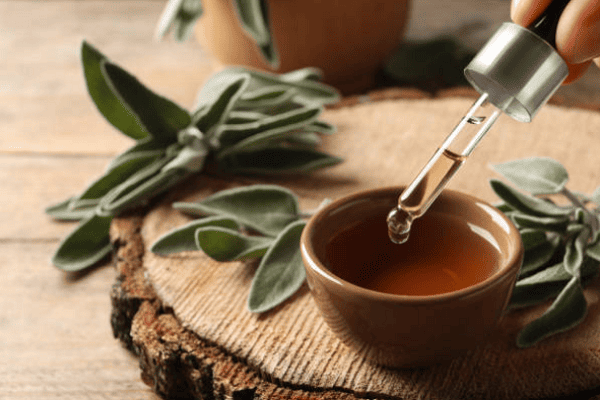
Essential oils got their name for two properties: greasiness to the touch and high volatility. It is because of these two properties that essential oils do not leave greasy stains, as they evaporate instantly. Among medicinal plants, it is those plants that have a distinctive aroma that are used for healing purposes in phytotherapy.
Most plants have essential oils (they smell), but not all of these essential oils have healing properties that are useful for humans. According to the composition of essential oils, they can be divided into groups that are useful for the treatment and prevention of certain diseases that humans are susceptible to. Due to their natural tasks, essential oils of plants are designed to have antimicrobial, antiparasitic, antifungal effects, as well as to repel or destroy insects. This is how plants protect themselves. And these properties formed the basis of pharmaceuticals based on essential oils for medical purposes.
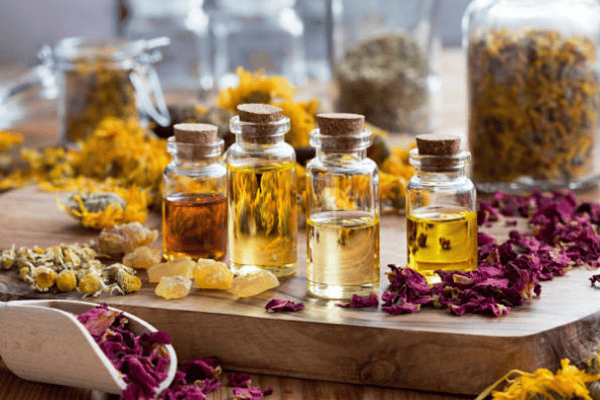

The most familiar healing plants with a high content of essential oils can be divided into groups:
- Plants that produce essential oils with analgesic and sedative effects, such as essential oils of Thyme, Birch, and Pine.
- Plants that emit essential oils with a vasomotor effect (in high concentrations they constrict, in low concentrations they dilate blood vessels): essential oils of Juniper, Pine, Birch.
- Plants that produce essential oils with an expectorant effect: essential oils of Thyme, Anise, Eucalyptus.
- Plants that exude essential oils with an antiseptic effect: essential oils of Sage, St. John's wort, Rose, Cinnamon, Mustard, Mint, Yarrow, Ledum, Lavender, Clove, Anise.
- Plants that exude essential oils with an anti-inflammatory effect: essential oils of coniferous plants (Fir, Juniper), essential oils of Coriander, Lemon, Chamomile, Mint, Yarrow, St. John's Wort.
- Plants that exude essential oils with a fungicidal effect (antifungal): essential oils of Caraway, Cinnamon, Coriander, Wormwood, Mint, Thyme, Anise, Tansy.
- Plants that produce essential oils that stimulate digestive enzymes: essential oils of Parsnip root, Parsley root, Celery root, Parsley greens, Celery greens, Coriander seeds, Caraway seeds, Dill greens, Fennel greens.
At home, essential oils of medicinal plants are used for healing purposes for inhalations, gargles and medicinal baths. Preparations for inhalations, gargles and baths are prepared immediately before use so that the beneficial phytoncides do not have time to evaporate into the atmosphere. Concentrates of essential oils are added drop by drop to water, or infusions are prepared by brewing finely chopped plants or seeds with boiling water.
Most essential oils with a therapeutic effect have little or no toxicity to humans. But overdoses of essential oils do occur, leading to deterioration in health. This negative effect from the use of essential oils can be accompanied by a sore throat, irritation of the mucous membranes of the mouth or nose, allergic skin rashes. An overdose of essential oils can occur when using large quantities of concentrated pharmaceutical preparations of essential oils. For this reason, it is worth approaching the use of essential oils at home for therapeutic purposes with extreme caution.












Read
Read













