

Phytotherapy >>>> What are the benefits of Chamomile?
What are the benefits of Chamomile?
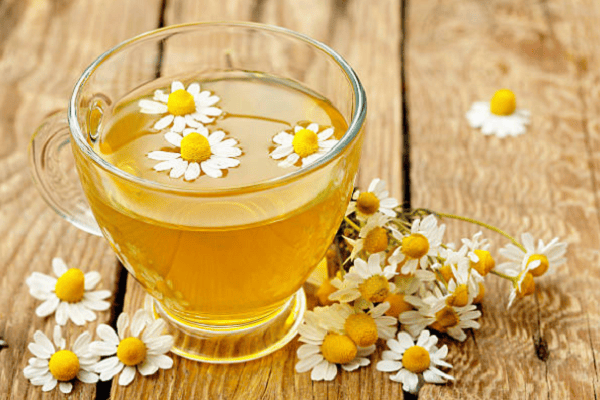
Medicinal Chamomile (Pharmacy Chamomile) is one of the most common medicinal plants, growing in almost any place: yards, vegetable gardens, forest glades, along roads, in wastelands. Chamomile has a very wide range of health effects on the body. For this reason, it has earned one of the first places among popular medicinal plants. And, when choosing a home herbal remedy, it comes to mind for any person who is used to having herbal remedies in their home medicine cabinet.
In the pharmaceutical industry, essential oil is obtained from the stems and flowers of Chamomile, which is used to industrially prepare medicinal preparations. These oils also form the basis of many perfume fragrances for body care products, for the preparation of rinsing preventive elixirs. Chamomile essential oils have an antiseptic, anti-inflammatory effect, a softening effect, and an astringent effect. The basis of Chamomile essential oils are substances for pharmaceutical purposes (Choline, Apiin, Apigenin, Sterols, Salicylic acid, umbelliferone), as well as substances commonly used for home treatment (Tannins, Mucous compounds, protein substances, vitamins).
Tea based on essential oils of Chamomile, although it does not have a pleasant aroma expected from tea brewing, has much more benefits than regular teas with tannins. Tea made from Chamomile infusion has a calming effect, disinfects the oral cavity and gastrointestinal tract, helps with toothache or pain in the oral mucosa as a mild painkiller.
The benefits of Chamomile extend to the care of various types of superficial wounds of the skin and mucous membranes (oral cavity, intestines, genitals). Concentrated Chamomile infusion can be used to treat and wash wounds and abscesses. Chamomile infusions are suitable for gargling, hygienic baths, rinsing hair and scalp, and washing eyes.

Flowers and essential oil concentrates of Chamomile are sold in pharmacies, but you can also make medicinal products at home from Chamomile collected at home. In order to collect the flowers of this plant correctly, you need to have an idea of the differences between all types of meadow Chamomile and medicinal Chamomile. The medicinal type of Chamomile has small flowers. In the middle, the flower of the medicinal Chamomile has a conical shape, unlike other similar types of Chamomile with a flat center of the flower. If the flower of the medicinal Chamomile is divided in half, then in the middle it will be hollow, unlike other types of similar Chamomile, in which the inside of the flower is filled. The flowers of the medicinal Chamomile are collected in large baskets located on the stems, they do not grow as single flowers.
The collection of medicinal Chamomile raw materials can begin at the time of its flowering (from May to autumn months). Chamomile is collected in places that are located far from roads, construction sites, and landfills. The collected flowers are dried on well-ventilated pallets in shaded places. When the flower becomes fragile and crumbles when pressed, the Chamomile is ready for storage or use for medicinal purposes.
The beneficial properties of Chamomile are used in the food industry, for example, for the preparation of alcoholic beverages, balms, and tea infusions. Infusions from Chamomile flowers are used to prepare homemade soothing tea, flower-fruit or flower-berry teas, or "Assorted" flower teas. Fresh Chamomile flowers can be added to vegetable, fruit, or berry salads, and used to decorate meat dishes. Dried Chamomile flowers can be turned into bulk spices that are used in sauces, soups, salads, and side dishes.
Chamomile is an ideal plant for home healing without any significant side effects. However, daily use of infusions or teas from Chamomile flowers can cause intestinal dysbiosis.












Read
Read