

Plants with a healing effect >>>> Therapeutic properties of Cinnamon Rosehip
Therapeutic properties of Cinnamon Rosehip

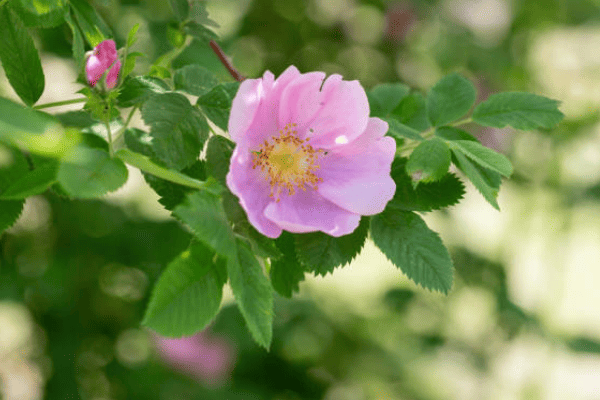
A fairly common plant in the wild, the Cinnamon Rosehip (or Cinnamon Rose - Rosa cinnamomea L.) has numerous medicinal properties that can be used at home for the prevention and treatment of illnesses. This plant is quite common in forested areas, forest clearings, river valleys, and similar places, making it possible to collect its fruits yourself and prepare medicinal infusions and teas from them. Cinnamon rosehips are harvested at the ripening stage when they have turned red but not hardened. The fruits are collected, cut in half, the seeds and needles are removed, and then air-dried.
Rosehips contain the highest amount of ascorbic acid , the concentration of which is 50 times higher than the concentration of Ascorbic acid in Lemon fruits, 100 times higher than the content of this vitamin (vitamin C) in apples and 10 times higher than the amount of Ascorbic acid in Black Currants. For an adult, 3.5 ounces of rosehips provide 16-20 daily doses of vitamin C, which the human body cannot synthesize on its own. In addition to ascorbic acid, the fruits of the Cinnamon Rosehip are rich in other organic acids: citric and malic. In addition to ascorbic acid, the fruits of the Cinnamon Rosehip contain Carotene (provitamin A) in significant quantities, vitamin P , vitamin K, and B vitamins (B1 and B2). The content of pectin substances in the fruits of the Cinnamon Rosehip can reach 14%, depending on the size of the fruit.
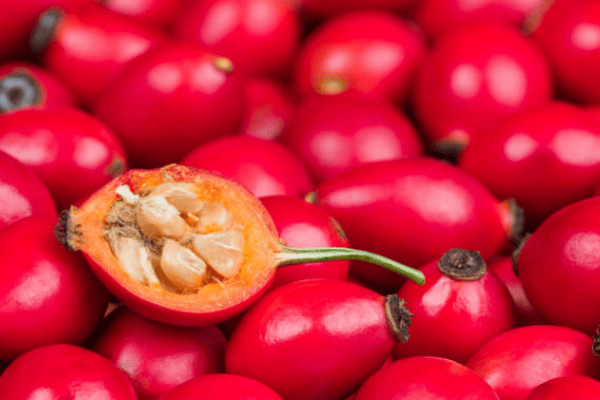
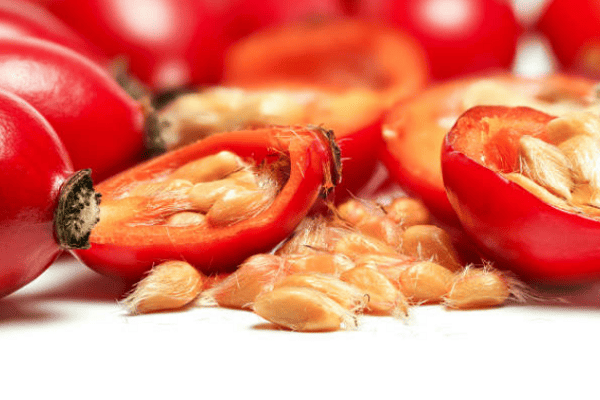
Cinnamon Rosehip fruits are included in the list of multivitamin preparations and herbal teas. For example, the medicinal preparation "Holosas" is prepared from rosehips, which is used as a choleretic agent for certain liver and biliary tract diseases.
In addition to its choleretic properties, cinnamon rose hips have a mild diuretic and laxative effect. Rose hip infusions also help with weakened immunity and fatigue. Cinnamon rosehip hips can be used to prepare infusions and decoctions suitable for the prevention and treatment of stomach and intestinal diseases associated with ulcers, erosions, and inflammation.
But it's not only the fruits of the Cinnamon Rosehip that are beneficial for health. The seeds of this plant, brewed into a decoction, are used to prevent and treat urolithiasis (kidney and bladder stones).
Cinnamon Rosehip is such a beneficial plant that its leaves and roots are also used medicinally, for example as astringents or tanning agents (in the form of decoctions or infusions). Decoctions have a higher concentration of astringents than infusions.
Infusions and decoctions of rosehip leaves or roots are used for diarrhea. These same parts of the rosehip plant are also used for infusions intended for baths or soaks. The benefits of decoctions made from the plant's fruits, leaves, and roots stem from the regenerative properties of the substances contained in the fruits, leaves, and roots.
To prepare a drinking decoction from Cinnamon Rosehips, use dried hips, as they contain a higher concentration of nutrients than fresh ones. Pour 14 ounces of boiling water over a tablespoon of dried hips and let steep in a thermos for 24 hours. Drink the infusion 2-3 times a day immediately before meals, using 3.5 - 5.3 ounces per serving.

Cinnamon Rosehips don’t require fruit or berry supplements, which is why vitamin drinks made from this plant are prepared without mixing them with other vitamin-rich ingredients, including honey, lemon, and other beneficial ingredients. Cinnamon Rosehips from the cinnamon tree contain a virtually complete set of essential vitamins, ideal for use during colds or periods of low energy.
The petals of the flowering Cinnamon Rosehip are used to make honey infusions. These infusions have a beneficial effect on the skin of the face and neck, as well as the oral mucosa. To prepare an infusion from the Cinnamon Rosehip petals, steep the collected petals in boiling water, let it steep until the water cools, and then mix with honey at a ratio of half a cup of petals and two tablespoons of honey per 7 ounces of water.
In addition to infusions and decoctions, you can make homemade jelly, compote, syrup, liqueur, jam, marmalade, pastilles, and candied fruit from the Cinnamon Rosehip fruit. Boiled and candied, the fruits of this plant can be used as candied fruit, baked goods, and fillings for candies and chocolates.
The Cinnamon Rosehip plant has a very wide range of uses as a preventative and therapeutic home remedy . However, the use of cinnamon rosehip fruits has limitations—contraindications. Concentrated decoctions from the fruits and the fruits of this plant should not be consumed if you have high acidity, as the fruits contain high concentrations of organic acids, which are strictly contraindicated in those with highly acidic gastric enzymes.












Read
Read