
Privacy policy

The Internet resource uses cookies in its work to be useful to you. You can read more about the cookie policy for this resource More details   >>>


Digestive system >>>> Hiatal hernia - symptoms and detection

Hiatal hernia - symptoms and detection
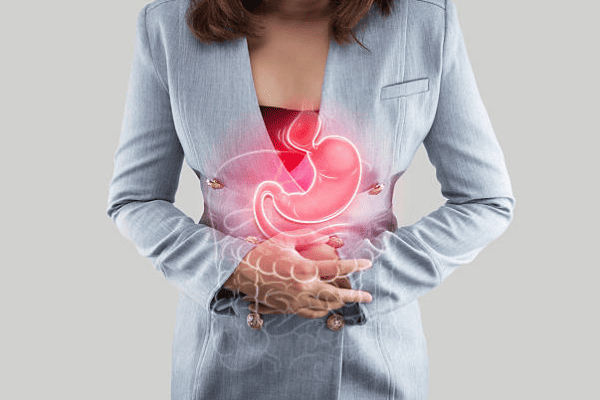
Hiatal hernia (or diaphragmatic hernia) is a common condition acquired during life, which in half of all cases may develop asymptomatically.

To understand how this type of hernia develops, it's important to know that the anatomy of the digestive system is such that the lower portion of the esophagus passes through an opening in the diaphragm into the upper (cardiac) portion of the stomach. The diaphragm separates the thoracic cavity from the abdominal cavity, and this opening in the diaphragm is tightly and hermetically sealed with connective tissue (the so-called membrane) to prevent the two cavities from communicating. However, under certain conditions, the membrane can stretch significantly, allowing the portion of the esophagus located in the lower cavity to rise and exit through the diaphragmatic opening.

Factors that contribute to the development of hiatal hernia include:

  • weak ligamentous apparatus, too elastic, which allows the connective tissue to stretch excessively;
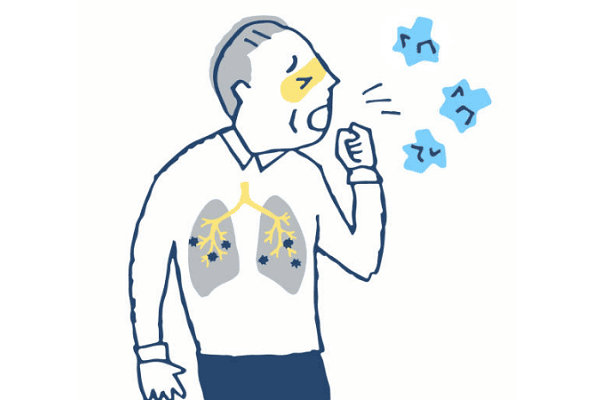
  • excessively increased intra-abdominal pressure, which is most often observed in people with a chronic, intense cough;
  • Elevation of the esophagus due to esophageal diseases (for example, esophageal dyskinesia, which usually accompanies conditions such as gastric ulcers, duodenal ulcers, chronic liver and pancreatic diseases, reflux esophagitis, and other conditions). Not only the esophagus, but also the upper stomach and, in special cases, intestinal loops, can be pulled upward and pass through the diaphragmatic opening;
  • The gag reflex and hiccups can also provoke excessive stretching of the diaphragmatic opening membrane.

The pain associated with a hiatal hernia resembles chest pain similar to angina or heart pain, which can lead to misdiagnosis by a cardiologist (diaphragmatic hernias, like heart disease, are often diagnosed in older adults). A characteristic feature of diaphragmatic hernia pain is its increased intensity when bending forward.

Another symptom of a hiatal hernia is belching after eating or at night, when acid rises (splashes) into the esophagus and oral cavity.

A symptom of a hiatal hernia may be difficulty passing food through the esophagus, but this symptom may not be constant.

Pain behind the breastbone when food passes through the esophagus can be considered a symptom of hiatal hernia.

A strangulated hiatal hernia is one of its most serious complications. This type of strangulation can be accompanied by cramping pain in the left hypochondrium and epigastrium (relieved by turning the body onto the left side), shortness of breath, nausea, and vomiting.

A hiatal hernia is detected by chance during diagnosis in half of the cases, for example, during radiography, esophagoscopy, gastroscopy, or endoscopic examination of the esophagus or stomach.



Read


Read



New in Sections


How is Artificial Intelligence useful in medicine?

What is Artificial Intelligence, how does it work in medicine, and what distinguishes Artificial Intelligence from Human Intelligence

Ortholens

The orthokeratological method of treating myopia and the diseases that it accompanies is based on the effect of redistributed pressure on the surface, forcing it to change refraction

Royal jelly – what is it?

With the development of technology, it has become possible to more accurately study the composition of Royal Jelly and understand how it can be used in medicine

What are the useful properties of Savoy cabbage?

The useful properties of Savoy cabbage are well known, although it is not often used in healthy eating as it should be

Medicines from the garden

Many medicinal plants still grow nearby, in forests, gardens, and vegetable patches. Here's a list of fruits and berries that are quite capable of replacing medicinal plants

What are the benefits of Lungwort?

Lungwort is an ancient medicinal plant used to prepare infusions with healing properties. These properties of lungwort are used in

How to treat a cough?

Before treating a cough, it's important to understand the underlying causes. If cough treatment fails, then

Principles of osteochondrosis prevention

A person can prevent the development of osteochondrosis themselves, applying a minimum of effort to this process and using the principles of preventing the development of osteochondrosis

How to combine poor health and physical activity?

To balance poor health and exercise, it's important to consider some of the characteristics of how symptoms of poor health develop. You can use manageable exercise for your current poor health

Exercises to strengthen coordination and balance

This set of simple sports exercises for developing coordination and a sense of balance will help you maintain physical agility

Products for home cosmetology

Products for home cosmetology are in the kitchen. How to combine cooking with the preparation of useful cosmetics for skin and hair?

How to disguise skin defects?

Exposed areas of skin do not always look perfect, but it is possible to mask skin defects without resorting to complex cosmetic methods

How do bronchodilators help?

The dilating effect of this group of drugs means an impact on the contractility of the smooth muscles of the bronchi, on the secretory function of the bronchial mucosa, which allows

Where does cholesterol come from in the body?

Cholesterol is an integral part of metabolism and a vital substance for most physiological processes in the human body. But where does cholesterol come from in the body?

How to give medications to a pet?

Almost all forms of medication for animals are inconvenient to use. So how to give medication to a pet if there is a need for their mandatory intake?

Home observations of pets’ health

Do not neglect frequent examinations of your pet’s health at home, as pet illnesses can develop unexpectedly