

Emergencies >>>> How to recognize stomach bleeding?
How to recognize stomach bleeding?
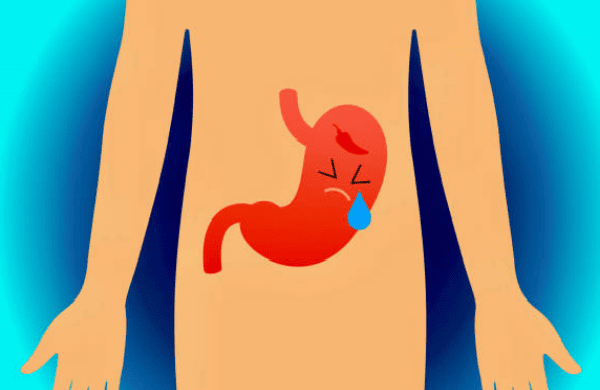
Bleeding from the gastrointestinal tract is not a rare occurrence. Even if there are no gastrointestinal diseases that provoke this type of bleeding (for example, perforation of a stomach or intestinal ulcer, tumors in the gastrointestinal tract), a situation may arise in which trauma to the stomach or intestinal walls causes bleeding. Trauma to the stomach or intestines can occur due to large or small, but sharp bones or various small objects accidentally swallowed getting into the lumen of the gastrointestinal tract. Trauma to the walls of the stomach or intestines that causes bleeding can occur due to coarse, poorly chewed and digested pieces of food getting into the gastrointestinal tract.
Bleeding of the gastrointestinal tract walls can be caused by situations associated with destructive changes in small and large blood vessels. These destructive changes in the state of the blood vessels responsible for the blood supply to the gastrointestinal tract are the result or side effect of long-term treatment with corticosteroids, acetylsalicylic acid, antipyretic drugs and other drugs containing, for example, acids and other chemical ingredients that corrode the structure of the gastrointestinal tract mucosa.
Bleeding from the gastrointestinal tract can be caused by varicose veins of the gastrointestinal tract, accompanied by stretching of the walls of the blood vessel to the point of permeability of the vessel wall and even to its rupture.
Bleeding from the stomach and intestines may not be noticeable by pain, but have distinctive signs of health changes, by which such bleeding can be determined by the person himself.
Depending on the extent of the wound in the walls of the stomach or intestine, bleeding may be of varying intensity, which distinguishes between mild, moderate or severe bleeding from the lumen of the gastrointestinal tract. Particularly dangerous are severe forms of bleeding from the gastrointestinal tract, the so-called profuse bleeding, which is accompanied by significant blood loss and causes the same symptoms as external profuse bleeding, when it is necessary to restore the blood volume in the body by blood transfusion.
It is easy to recognize gastric bleeding even for a person who is not educated in medicine. Mild bleeding from the stomach or intestines can cause dizziness, weakness, and pale skin. These are full-fledged threatening symptoms of any type of bleeding, requiring a medical examination and identification of the source of bleeding in the body. But the most dangerous signs of bleeding from the gastrointestinal tract of moderate and severe degree, which indicate seriousness and a threat to life, as they are accompanied by significant blood loss.
The first sign of serious gastrointestinal bleeding (moderate and severe) is reflected in the color of the feces, which become black (tarry stool). If the rectal walls bleed, then the feces may contain streaks of red or burgundy color, since the color of the blood does not have time to change. The second sign of gastrointestinal bleeding may develop as vomiting, and the color of the vomit will have a coffee tint. If there are obvious inclusions of scarlet blood in the vomit, then we may be talking about venous bleeding from the esophagus or stomach.
Any degree of gastrointestinal bleeding is dangerous, as mild bleeding can progress to moderate intensity, and moderate bleeding can quickly turn into severe gastrointestinal bleeding, which is fatal to humans.
Any of the above symptoms of gastrointestinal bleeding require laboratory and hardware examination. And stopping complex bleeding from the gastrointestinal tract is associated with surgical intervention to stop the bleeding. Symptoms of poor health should be a signal to seek emergency care. It is impossible to stop any degree of bleeding from the gastrointestinal tract at home on your own.










Read
Read