


Cardiovascular system >>>> Acquired aortic valve insufficiency - what is it?
Acquired aortic valve insufficiency - what is it?
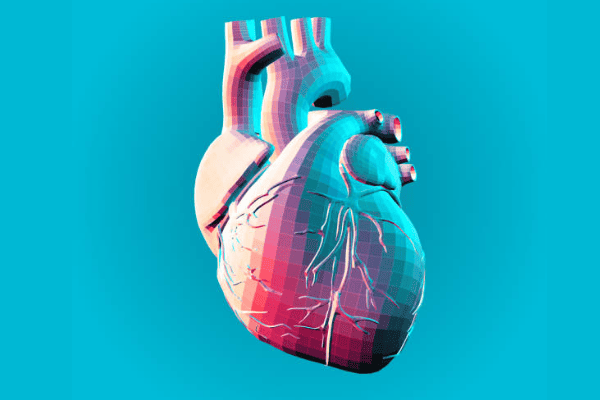
Acquired diseases or vascular defects directly related to the heart's blood supply do not end with narrowing of the aorta (aortic stenosis). Aortic valve insufficiency, which can develop later in life and is not only detected as a congenital malformation of the aorta, is also a similarly complex and dangerous condition.
What can cause acquired aortic valve insufficiency? A variety of conditions, seemingly unrelated to the aorta, can occur: syphilis, rheumatism, blunt chest trauma or thoracic deformity, and infective endocarditis. Aortic valve insufficiency can also result from atherosclerotic lesions of the aortic walls.
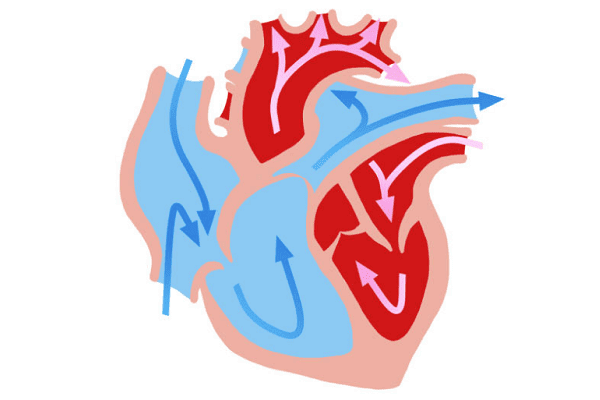
Aortic valve insufficiency causes circulatory failure in the heart muscle. This is a very dangerous condition that requires treatment.
Therapeutic treatment of acquired aortic valve insufficiency is more of a preventive measure, since during such treatment, drug therapy is carried out for diseases that have become or are presumed to be the cause of the development of aortic valve insufficiency.
The primary and most effective treatment for acquired aortic valve insufficiency is surgical implantation of an artificial valve. Early implantation is recommended, as it is considered to have the best results, especially in the long term.
There are a number of indications for surgical intervention to replace the aortic valve with an artificial one:
- the ECG should show signs of left ventricular myocardial hypertrophy;
- pulse pressure of 80 or more than 80 mmHg;
- in the left ventricle, the end diastolic pressure should be higher than 20 mmHg;
- symptoms of coronary insufficiency or myocardial insufficiency or cerebral insufficiency must be observed;
- regurgitation (backflow of blood from one chamber of the heart to another due to a loose valve closure) - 50 percent or more of the stroke volume.












Read
Read













