

Emergencies >>>> Two types of stroke
Two types of stroke
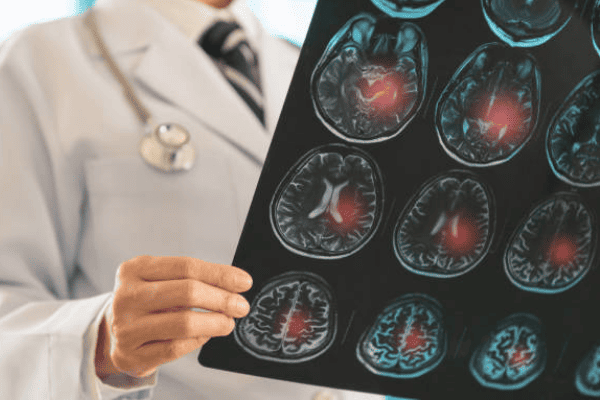
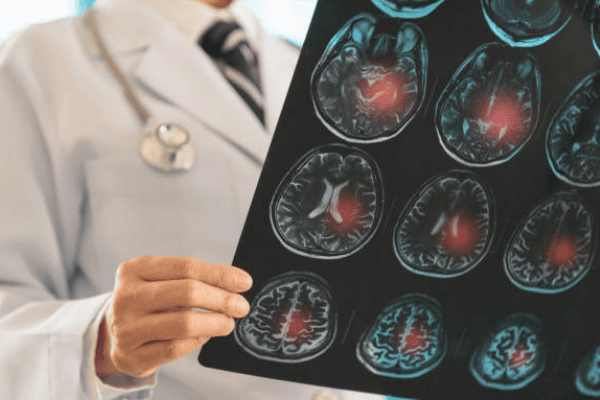
Stroke has a common name: acute cerebrovascular accident. However, there are two possible causes. Based on these causes, two types of stroke are distinguished: hemorrhagic and ischemic.
In ischemic stroke, prolonged vascular spasm reduces cerebral blood flow, or vascular thrombosis leads to a decrease in blood flow. Ischemic stroke can be caused by emotional or physical stress, as well as factors that dilate blood vessels and thereby reduce blood flow to the brain, such as prolonged exposure to a hot bath or sauna, or alcohol consumption. This type of stroke is often called a cerebral infarction. Signs of an impending ischemic stroke may include dizziness, blurred vision, pre-syncope, and even fainting. These symptoms can develop over several hours or days (two to three days). To promptly halt and stop the progression of an ischemic stroke, it is necessary to place the person in bed and call an ambulance immediately.
Sudden anxiety, prolonged nervous tension, and overwork can lead to the development of a hemorrhagic stroke. A hemorrhagic stroke involves a different process: a rupture of the vessel wall and bleeding into the brain. This is typically due to thinning of the vessel wall due to atherosclerosis. The rupture occurs due to high blood pressure or sudden fluctuations, which can cause the vessel wall in the brain to become overwhelmed by the intense blood flow.
Unlike ischemic stroke, hemorrhagic stroke is characterized by different symptoms: headache (sharp), flushing of the face or head, nausea or vomiting, and rapid breathing. The pulse may slow or accelerate. Consciousness may be impaired. Movement of an arm or leg on one side may be impaired. Hemorrhagic stroke may also be accompanied by vision changes, with objects appearing red. If symptoms similar to hemorrhagic stroke occur, the person is placed in a prone position and an ambulance is called.
No stroke can be treated at home. Emergency care is provided by medical professionals in a medical facility.







Read
Read