


Vitamins and minerals >>>> Vitamin B12 – for the treatment of anemia
Vitamin B12 – for the treatment of anemia
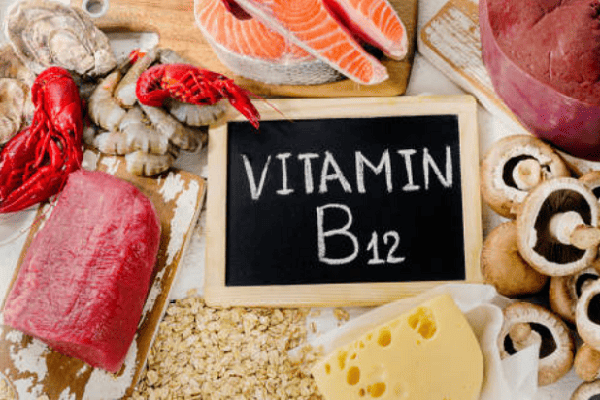
The discovery of vitamin B12 created a breakthrough in the treatment of anemia, as even tiny doses of cyanocobalamin (known as vitamin 12) can produce an exceptionally rapid effect in the treatment of anemia. Vitamin B12 affects the hematopoietic organs and, in pernicious anemia, can activate the hematopoietic function of the bone marrow.
To prevent a decrease in vitamin B12 levels in the body, it's important to include a diet rich in animal products and seafood. This is because, in nature, vitamin B12 can only be synthesized by bacteria, actinomycetes, and blue-green algae, which are the food source for aquatic animals (fish, shellfish, and other aquatic life). By feeding on these microorganisms and algae, they accumulate vitamin B12 in their bodies, thus becoming a source of nutrition and, therefore, consumption of this vitamin by other animals (cattle, pigs, goats), poultry, and humans.
A person can consume liver, kidneys, heart of cattle, meat (pork, beef, veal), eggs (vitamin B12 is found in the yolk), fish fillet (cod, mackerel, haddock, flounder, herring), cod liver, fish roe, fish meal products, milk (goat, cow) and milk derivatives, as well as edible shellfish.
Vitamin B12 is found to a greater extent in cattle liver (50-130 mcg per 3.5 ounces of product), in cattle kidneys (25-50 mcg per 3.5 ounces of product), and in cod liver (30-40 mcg per 3.5 ounces of product).
Vitamin B12 consumed with food exerts its antianemic effect only indirectly, that is, in combination with a protein structure called gastromucoprotein in gastric juice. The resulting protein-vitamin compound protects the absorption of vitamin B12 from the intestine by intestinal bacteria (intestinal microflora). Only then is vitamin B12 absorbed in the intestine and participates in chemical-biological processes in the body, particularly in antianemic processes. The bacterial microflora of the human digestive tract, like aquatic microorganisms, utilize vitamin B12 in their vital functions. If, for any reason, the body does not produce enough gastromucoprotein, vitamin B12 deficiency occurs, which can lead to pernicious anemia.
Vitamin B12, found in food (particularly in liver), is already present in a ready-made compound with gastromucoprotein, so it cannot be used by intestinal bacteria for vital functions, and is completely absorbed by humans.
Vitamin B12 accumulates in the human liver and then enters the bone marrow, where it stimulates the process of complete maturation of blood cells.
In the development of a malignant form of anemia, that is, vitamin B12 deficiency, vitamin B12 is administered intramuscularly in the necessary doses to restore the hematopoietic function of the bone marrow, and thus bring blood cells back to normal.












Read
Read













