


Healthy food >>>> How to store vegetables at home?
How to store vegetables at home?
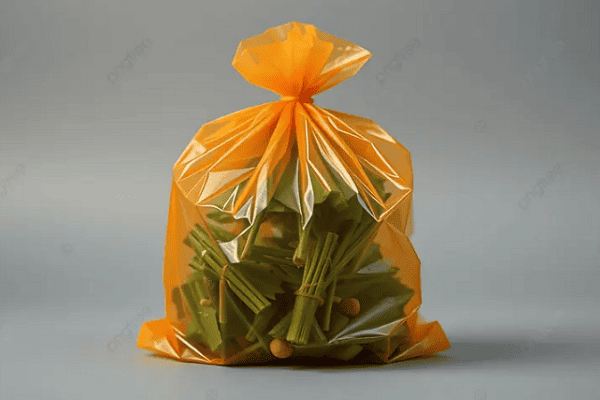
Sometimes vegetables are purchased in quantities that require long-term storage. How should vegetables be stored at home in such cases?
Root vegetables (beets, carrots, parsnip or parsley roots, celery roots) are more resilient to long-term storage. These root vegetables can withstand storage for up to four months if properly maintained to preserve their quality and nutritional value. The best way to preserve root vegetables for a long time is to place them in a dry container with dry river sand (sprinkle sand between each root vegetable) and place the container in a cool, dark place, such as a cellar or basement with a temperature of 32-36 degrees Fahrenheit (0-2 degrees Celsius). Before storing, dry the root vegetables by laying them out in a single layer on paper.
If you don't have a cellar or basement, root vegetables can be stored in a refrigerator for one or two months at 32-42 degrees Fahrenheit (0-6 degrees Celsius) (on the refrigerator door shelves or in vegetable drawers). To store root vegetables in the refrigerator, pack them in perforated plastic bags to prevent condensation from accumulating inside the bag and causing sprouting.
Cabbage heads purchased for long-term storage can be stored in a basement or cellar by wrapping each head in paper and hanging it from hooks or rails. Cabbage can also be stored in the refrigerator for short periods (up to a month) in crisper drawers, wrapped in paper, carefully observing the dry storage container's instructions. If moisture (condensation) begins to form in the container where the cabbage is stored, the cabbage leaves will begin to mold and the core will rot.
Cauliflower and broccoli are the most difficult vegetables to store, as they require preserving the flower buds that form the heads of cabbage. These two types of cabbage don't like light (in the light, the heads of cabbage turn gray and wilt even after a short period of time, such as a day or two. To preserve cauliflower, cabbage, or broccoli heads for several days, they should be wrapped in cabbage leaves and stored hanging at 32-42 degrees Fahrenheit (0-6 degrees Celsius), or on racks. These types of cabbage can be stored for several days, not in the refrigerator or basement, but wrapped to protect from light and moisture and hung near a vent or open window for a cool breeze.
Onions and garlic have similar storage requirements at home. These vegetables do not tolerate dampness or high temperatures (normal room temperature is considered too hot for them if it exceeds 73 degrees Fahrenheit (23 degrees Celsius)). For long-term storage, onions are dried in wreaths or braids, but if the stems are not long enough, they can be placed in mesh stockings, stacked lengthwise and tied with string between each section. It is best to hang wreaths and braids made of onions and garlic, or store them in wire crates that allow air to circulate through the sides and under the bottom.
Pumpkin is the best vegetable for long-term storage, as its skin and texture allow it to withstand a variety of temperatures for a long time. However, for particularly long-term storage, pumpkins should be stored in dry, dark, and cool areas at temperatures between41-50 degrees Fahrenheit (5 and 10 degrees Celsius). Pumpkins are stacked on wooden or metal wire shelves in a single row, stem-side up.
Parsley, dill, celery, and onion are best stored in damp cellophane or parchment packaging. Cellophane or parchment packaging should be pre-perforated to prevent airtightness. This way, the herbs can be stored at temperatures between 32-50 degrees Fahrenheit (0 and 10 degrees Celsius) in the refrigerator.
Sorrel, spinach, lettuce, and kale leaves can also be stored in damp packaging at temperatures between 32-50 degrees Fahrenheit (0 and 10 degrees Celsius). These greens don't like freezing or overheating.
Continued: How to Properly Store Vegetables and Mushrooms at Home












Read
Read













