


Healthy food >>>> Storing spices at home
Storing spices at home
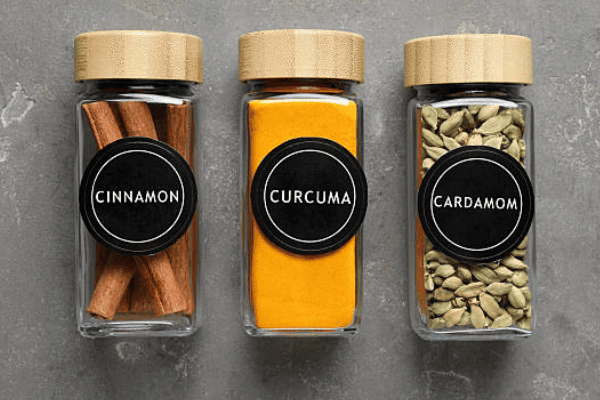
If it is possible to stock up on spices for a long time, then the question arises of how to preserve the quality of spices at home for a long time.
Dried spices are easier to store, but they are also susceptible to spoilage in humid conditions. Many spices (if the containers they are stored in are not properly sealed) lose their unique aromatic properties, as essential oils evaporate at any room temperature, and in excessively hot conditions, they evaporate instantly.
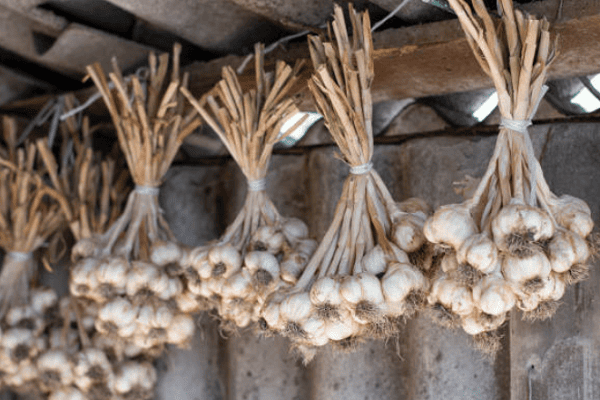
While some spices can be stored in bunches and in regular containers with screw-on lids or in paper bags with a glossy layer (for example, parsley leaves, celery, dill, basil, bunches and cloves of garlic, bunches of dried red hot peppers), ground spices (for example, black or allspice, paprika, basil powder, marjoram powder, sage and other plants with aromatic properties) must be stored only in containers with airtight lids or in special paper bags with an impermeable structure.
Some herbs used as spices are recommended to be stored dried or frozen, rather than chopped or crushed, to preserve their aromatic properties. For example, ginger root, parsley root, horseradish, parsnip, and other aromatic root vegetables are recommended to be stored only dried or frozen, and the powdered form of these aromatic herbs should be stored in an airtight container.
There are many aromatic and flavorful condiments that are stored as sauces or pastes. For example, mayonnaise, mustard paste, tomato paste, or puree can be stored for about a year without refrigeration in special Tetra Pak containers or similar, or canned in glass or tin jars. However, sometimes it may be necessary to partially use such canned goods and reseal the sauce or paste for storage. In such cases, home cooks use vegetable oils, animal fats, oiled paper, paper soaked in vinegar or lemon juice, or slices of fresh lemon crosswise as a preservative coating.
If paste-like mustard or mayonnaise dries prematurely, they can be diluted with milk to restore their paste-like texture. Dried tomato paste can be diluted with water or a vinegar marinade (not too strong, such as that used for pickling cucumbers or tomatoes).
If the root vegetables left in storage have dried out too much or frozen in the freezer, their properties can be restored by simply grinding them in a coffee grinder to a powder state, and then used for culinary purposes.
Mold will not grow in powdered spice blends, dried leaf spices, or on the surface of paste spices if salt is used as a preservative. For powdered and leaf spices, you can mix them with salt, and sprinkle paste spices and sauces with a thin layer of salt. Salt prevents mold growth and prevents the spices from becoming damp.












Read
Read













