


Healthy food >>>> How to preserve vitamins in nuts?
How to preserve vitamins in nuts?
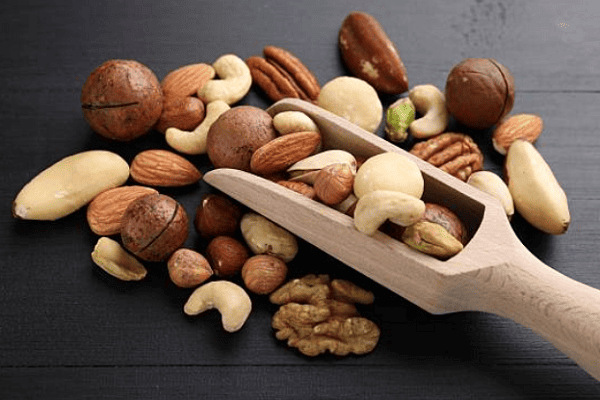
Nuts (peanuts, pine nuts, walnuts, almonds, cashews, Brazil nuts, pistachios, hazelnuts, and others) are rich in healthy nutrients. All nuts, in addition to fats, contain B vitamins, vitamin E, and vitamin K. Therefore, it is crucial to preserve all the nutrients in nuts, as the harvest season for some types of nuts may be limited by the fruiting season of the nut-bearing plants.
Storage conditions for different types of nuts may differ, as their growing conditions also differ.
The most forgiving nut is the hazelnut (filbert, filbert). It only needs to be thoroughly dried before storage, and then can be stored in any container. Hazelnuts can be stored for up to four years without losing their nutritional value. This nut contains a high percentage of fat and is a very nutritious fruit.
Peanuts are easiest to preserve in a basement, even if the basement becomes damp during storage, as the nut itself is accustomed to living underground (deep in the soil). However, excessively damp conditions over a prolonged period can cause peanuts to sprout.
Pine nuts, Brazil nuts, macadamia nuts, and cashews are best stored at temperatures between 41 and 50 - 59 degrees Fahrenheit (5 and 10-15 degrees Celsius). At this temperature, the shelf life of these nuts can be extended to one year or more.
Cashews are the most delicate of all nuts. They contain neither shell nor skin, so they don't like high temperatures, as this quickly destroys their beneficial nutrients.
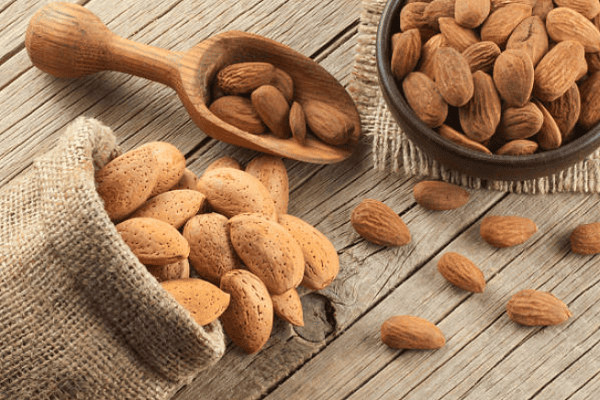
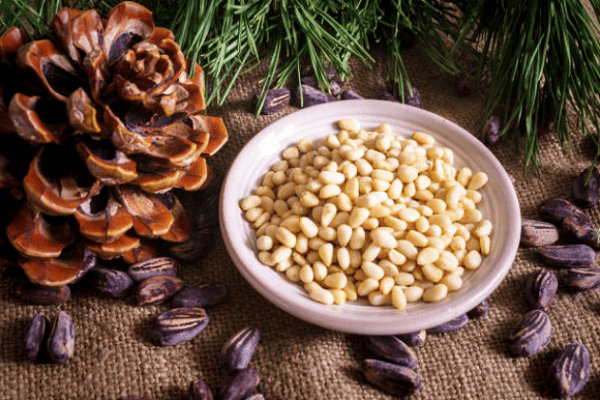
It's important to note that only self-harvested nuts can have their shelf life accurately calculated. Purchased nuts always have shorter shelf lives, as the buyer doesn't know when the nuts were harvested or under what conditions they were stored prior to sale.
Some nuts, such as almonds, walnuts, and pistachios, emit a unique, pleasant aroma after being shelled. It's not recommended to store these nuts unshelled for long periods of time. The aroma can dissipate, and the shell not only protects the nuts from drying out but also preserves their exceptional aromatic properties. Almonds, walnuts, pistachios, and other aromatic nuts are used in confectionery and food not only for their beneficial properties but also for their pleasant, lingering aroma.
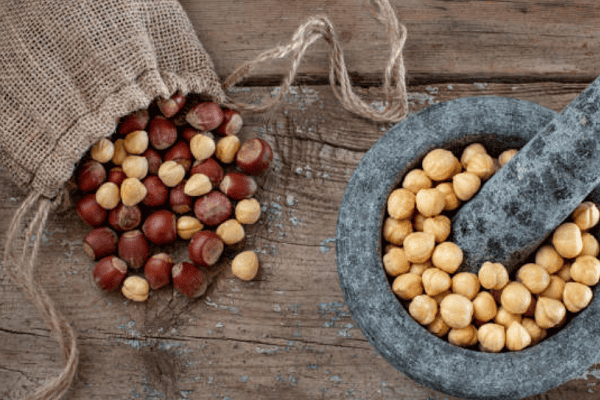
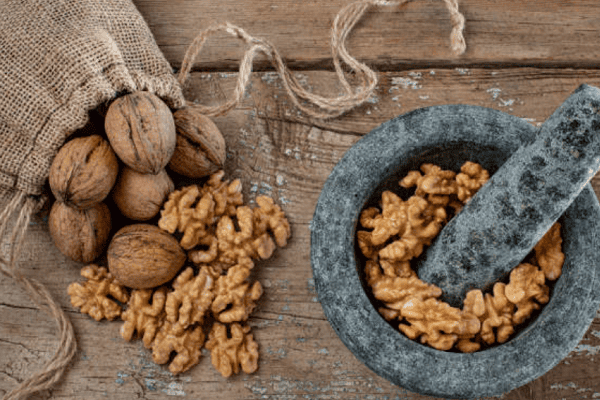
Some nuts, such as walnuts and hazelnuts, have a green skin that envelops the shell, preventing the nut from drying completely. For this reason, these nuts are peeled of this green skin before drying and storing.
It's generally accepted that all types of nuts are best preserved in their shells. However, for short-term storage, such as a month, nuts can be stored in a dry, dark place without the shell. The shell often acts as a natural barrier to insects, which also enjoy the nuts. Almost all types of nuts in their shells can be stored for up to 2-4 years if frozen.
Paper bags and canvas bags, which are environmentally friendly, can be used as containers for most nuts. Wicker baskets and cardboard boxes with perforated sides and bottoms are also suitable for storing unshelled nuts. The main requirement for perforated containers containing nuts is to store them in a dry, dark place.












Read
Read













