


Healthy food >>>> How to properly store vegetables and mushrooms at home
How to properly store vegetables and mushrooms at home
Start: How to store vegetables at home?
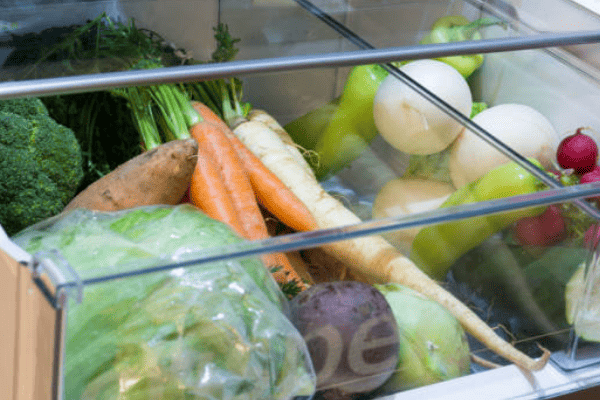
The nutritional value of vegetables is determined by the long-term preservation of the nutrients that make up the basis of nutrition at home.
Tomatoes generally store better because they ripen quickly. Green or brown tomatoes are suitable for long-term storage. Ripening occurs under the influence of light and an ambient temperature of 68 to 77 degrees Fahrenheit (20 to 25 degrees Celsius). Ripening typically takes 5-10 days. If the temperature is below 68 degrees Fahrenheit (20 degrees Celsius), ripening may take longer. Without light, ripening will not occur. If underripe tomatoes need to be stored for two to three months, they are placed in perforated cardboard boxes or crates filled with straw or wood shavings. Each vegetable is pre-wrapped in paper. Underripe tomatoes should be stored in a cool, dark place with an ambient temperature of 41-50 degrees Fahrenheit (5-10 degrees Celsius). Regularly sort the tomatoes, removing any spoiled ones, as the boxes or crates must be kept dry, as rotting creates pockets of moisture.
Vegetables such as cucumbers, zucchini, eggplant, and peppers are suitable for short-term storage at home. These fruits are stored at low temperatures 35 - 46 degrees Fahrenheit (2-8 degrees Celsius) in plastic bags or loosely sealed enamel containers, or in glass containers. Cucumbers with long stems can be kept fresh by placing them stem-side down in water, about one-fifth of the way down.
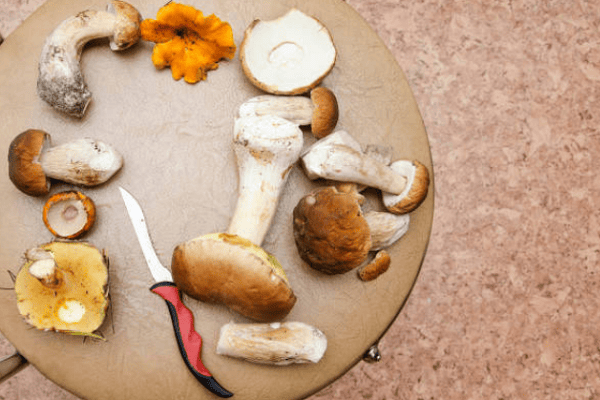
Mushrooms are easy to store at home. Fresh mushrooms can be stored for up to three days in a container with a perforated bottom to allow air circulation. Fresh mushrooms can be stored in a refrigerator at 32 - 46 degrees Fahrenheit (0-8 degrees Celsius) or in a cool basement.
Mushrooms picked in rainy weather rarely keep fresh. However, their consumption or canning can be delayed by preparing them as for food: rinsing them under running water, drying them with a towel, and freezing them in plastic bags. These semi-finished mushrooms can be stored indefinitely before canning or cooking, as they retain their flavor.
There are varieties of mushrooms that thrive in dark, damp places with constant humidity. These mushrooms have a very delicate texture and, when stored cut, require drying and special containers with ventilation from all sides and the bottom. Truffles are the most suitable for long-term storage. Due to their natural characteristics—growing underground—they can be stored uncooked in a refrigerator for up to a month, packaged in dark paper (not plastic!).
When exposed to the open air, mushrooms quickly lose moisture and dry out. This allows dried mushrooms to be stored naturally, hanging on strings like garlands, without refrigeration. Mushrooms for drying and curing should be picked in dry, sunny weather; this will ensure they retain their aroma and pleasant nutritional properties for a long time. Freezing mushrooms has the longest shelf life, but may lose some of their beneficial nutrients and deteriorate (lose their distinctive aroma) to some extent.












Read
Read













