

Health for a lifetime >>>> What can replace drinking water?
What can replace drinking water?
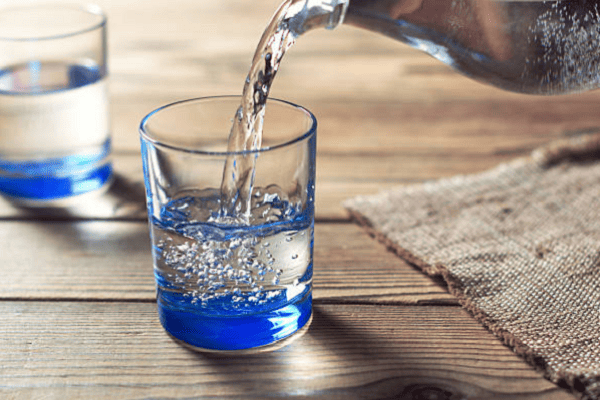
Water is a source of life for humans, since this natural component occupies a large part of the body's tissue structure. For this reason, it is recommended to consume a sufficient amount of water per day so that the body can absorb useful chemicals and distribute them to various tissues and organs. Water in the body is the key to filling the bloodstream, the ability to form fatty tissue, filling the sweat glands, maintaining skin turgor. It is also the key to the formation of tissues of vital organs, such as the eyeballs, liver and kidney parenchyma, brain tissue, maintaining the necessary blood pressure, the necessary level of saliva and gastric juice dilution. Water in the body plays the role of removing undigested and waste substances, and allows you to maintain the body temperature necessary for metabolic processes.
Water consumption for an adult is calculated as two and a half to three liters per day. But this does not mean that it is necessary to drink pure water, although pure drinking water has an advantage over other liquids. Drinking water all day to comply with the drinking regime is a rather boring activity. But it is not necessary to drink water in its pure form, since the daily drinking regime allows drinking other types of liquid instead of pure water. Then the question arises, what can replace drinking water?


When deciding what to replace clean drinking water with during the day, you need to follow several rules so as not to harm the body, but to support it:
- Not all drinks maintain water balance. Some of them act as diuretics, such as teas with a diuretic effect, coffee, fruit drinks using diuretic fruits (for example, cranberries, lingonberries, and others), herbal diuretic infusions, beer, and some types of kvass.
- Mineral water can be harmful for people with metabolic disorders or problems with the urinary system.
- Carbonated plain water, like carbonated drinks, increases the level of gas formation in the gastrointestinal tract, which can have a detrimental effect on the health of people who suffer from a tendency to increased gas formation in the intestines.
- Sweet water or predominantly sweet juices increase blood sugar levels, and sweet tea and sweet coffee have the same effect.
- Predominantly acidic juices disrupt the acidity level in the stomach.
- Milk is very useful as a substitute for drinking water, but some people have problems digesting milk.
- Alcoholic drinks reduce the level of fluid in the body, as they have a specific effect associated with a chemical reaction that binds alcohol and water in the body.
- Vegetable brine increases the level of water retention in the body and increases tissue swelling, and can increase blood pressure.
- Kefir and drinking yogurt are almost ideal drinking products to replace drinking water, but they can also be difficult to digest if the gastrointestinal tract is not functioning properly.
- Broths are also substitutes for drinking water; a half-liter cup of broth (meat, fish, vegetable) can be used to replenish water balance and for a snack.
- Juicy fruits and vegetables are also a source of water, for example watermelons, citrus fruits, juicy peaches and juicy melons, cucumbers, tomatoes.
In general, all types of liquid, no matter what form they are consumed by a person, are included in the total volume of daily liquid consumption. Such volume of liquid consumption is adjusted only in cases when a number of diseases and their treatment require a decrease or increase in the amount of daily water consumption.










Read
Read