

Plants with a healing effect >>>> Therapeutic properties of Kohlrabi cabbage
Therapeutic properties of Kohlrabi cabbage
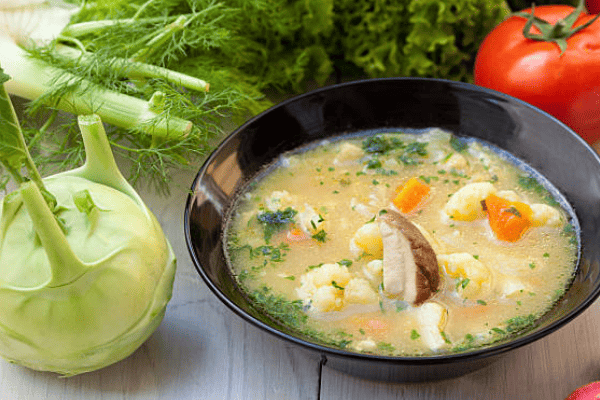
Kohlrabi, unlike cabbage in appearance and resembling a rutabaga, has nutritional properties distinct from both. Breeding allowed the rutabaga to be developed by crossing turnips with various cabbage varieties. While rutabaga is a root vegetable, kohlrabi is a type of cabbage, not a root vegetable but a thickened, spherical cabbage stalk. Kohlrabi tastes similar to cabbage stalks, but is much more flavorful due to its high sugar and protein content. Kohlrabi has a sweet flavor and high nutritional value as a plant food.
Kohlrabi boasts a remarkable array of nutrients. In terms of vitamin C content, kohlrabi surpasses all other fruits and vegetables and is comparable only to lemons and oranges. This is why it's nicknamed "garden lemon." Kohlrabi contains large quantities of the most beneficial micronutrients for the heart muscle, core muscles, bones, and skin. Kohlrabi is rich in phosphorus, potassium, calcium, magnesium, and sodium. For this reason, kohlrabi is recommended for therapeutic nutrition as part of a general treatment plan for the treatment and prevention of hypertension, myocardial infarction, and kidney disease. Kohlrabi is not suitable or recommended for use in the diet of those with gastrointestinal problems.
In therapeutic and dietary nutrition, Kohlrabi cabbage is used boiled, baked, steamed, stewed and raw.
Kohlrabi cabbage soup
This healthy recipe for kohlrabi soup is suitable not only for a therapeutic and preventative diet, but also for everyday eating.
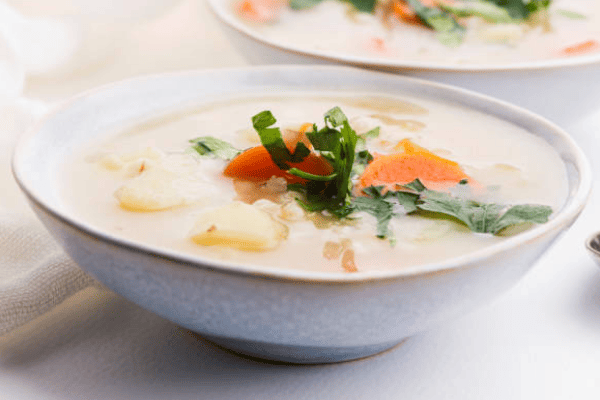
This kohlrabi soup recipe is unique because it's hardly cooked or stewed, preserving all its beneficial nutrients. To make kohlrabi soup, use three small heads of cabbage. The cabbage is peeled, cut into not-too-small slices, placed in a colander, and immersed in boiling water for 2-3 minutes to remove the bitter taste.
Separately boil 4 potatoes in their skins, peel and slice. Peel and slice 3 fresh tomatoes.
Grate one carrot and one parsley root on a coarse grater. Dice one onion. Saute these vegetables in butter.
Make a broth from tomato slices, onion, and root vegetables, then strain it. When the broth is ready and salted to taste, add the kohlrabi and potato pieces and simmer for another 10 minutes. This kohlrabi soup can be eaten hot or cold. You can add sour cream or cream to the soup, depending on your taste.












Read
Read