


Plants with a healing effect >>>> How useful are dates for health?
How useful are dates for health?
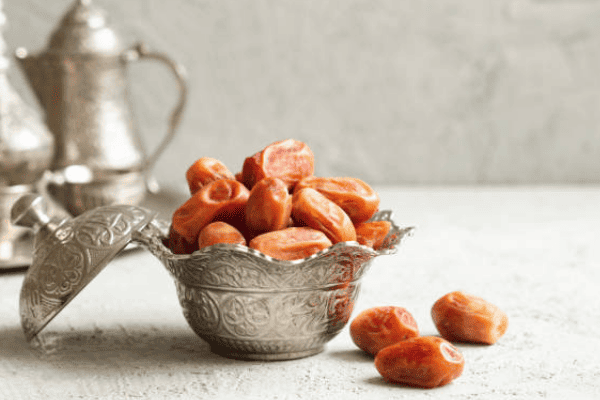
The date palm is the oldest cultivated food plant. Its fruits were eaten in the Mediterranean before the Common Era, and dates were a staple food at that time. Countries with ancient civilizations remain major date producers to this day. Iraq, Iran, African countries, Algeria, the Middle East and Far East, Palestine, and the UAE are considered the main suppliers of dates to the global food market. Iraq is the leading date supplier, accounting for approximately 80% of the world's total. In date-growing countries, the date palm is considered a sacred plant. A distinctive feature of the date, a fruit, is its very low water content. The rest of the date flesh is rich in nutrients and very beneficial for health. In many countries in Africa and the Middle East, dates are a staple food.
Fresh dates have a nutritional value of 3,350 calories, while dried dates contain even more. Dates contain only 14-15% water, and sun-drying them increases their caloric value.
Due to the high sugar content of dates, they are considered an excellent carbohydrate that restores energy (the energy drink of the fruit world). In dates, the sugars are fructose and glucose, which make up over 60% of the total nutritional value. The sugar in dates is highly soluble and easily absorbed.
The remaining 40% of a date's weight is made up of mineral salts of phosphorus, calcium, and magnesium. However, the leading minerals are potassium and iron. 3.5 ounces of date pulp contains over 600 mg of potassium and about 40 mg of iron. For this reason, dates are considered a very healthy fruit. Eating 7 ounces of dates per day can cover an adult's daily iron requirement. Translated into health terms, this means normal blood oxygenation and cellular respiration. Potassium regulates water and salt balance and heart function.
Dates are not beneficial for everyone. Dates are strictly contraindicated for people with various types of diabetes, obesity, and acute gastrointestinal conditions.
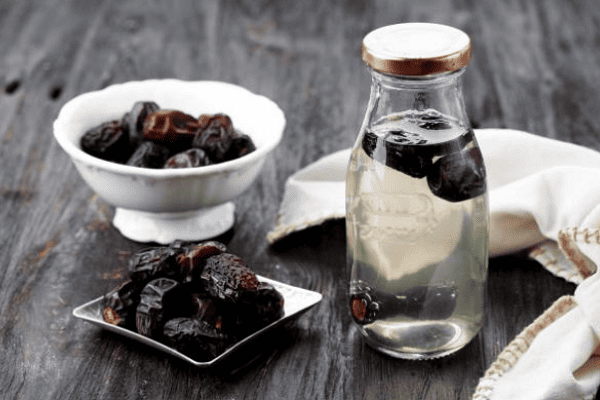
But for the rest of us, dates offer a dessert with healthy carbohydrates and energy value. Dates are especially beneficial for people with heart and vascular conditions, as well as for athletes who want to replenish their carbohydrate intake with fruit rather than chocolate bars.
To avoid spoiling dates, they should be stored under the same or similar conditions to those used for transporting them. This means avoiding overdrying the skin, as it will become tough and inedible. Damaged skin will cause the pulp to dry out, making the fruit unfit for consumption. Overdried dates can be soaked in boiling water for two hours to restore their softness. Alternatively, make a date compote with the addition of more tart fruits, which will balance the sweet flavor.












Read
Read













