


Plants with a healing effect >>>> Healing properties of edible Asparagus
Healing properties of edible Asparagus
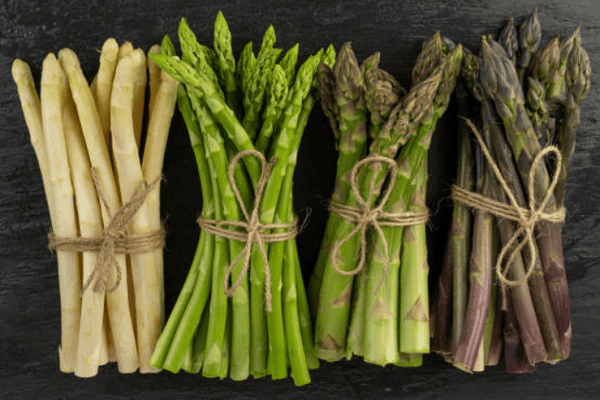
Edible Asparagus, a unique vegetable crop, deserves the close attention of those seeking a plant-based diet with healing properties. Its official name, Asparagus officinalis, indicates its reputation as a medicinal plant suitable for consumption. Its nutritional value attracted the ancient Greeks and Romans. The first mention of asparagus can be found in manuscripts dating back to the 9th century BC.
Edible Asparagus was originally considered a rare delicacy, an expensive food vegetable available only to the wealthy. Its near-ubiquity in the modern world has elevated it to the status of a widely available vegetable.
Edible Asparagus's healing properties stem from the rich array of nutrients it contains. Like legumes, asparagus is an ideal source of plant protein, easily digestible fiber, B vitamins, and vitamin C (just 7 ounces of asparagus contains the daily requirement for an adult). The content of vitamins PP, carotene, iron, potassium, phosphorus, magnesium, calcium, sodium, and sulfur in asparagus shoots makes it a versatile food plant with numerous beneficial medicinal properties. Juice from fresh asparagus shoots has a variety of effects on the human body. It can act as a diuretic, vasodilator, anti-inflammatory, or have a calming effect. It also influences metabolic processes in the body (normalizing body weight, improving the digestive tract, skin, nails, hair, and bones, restoring the nervous system, and water-salt balance).
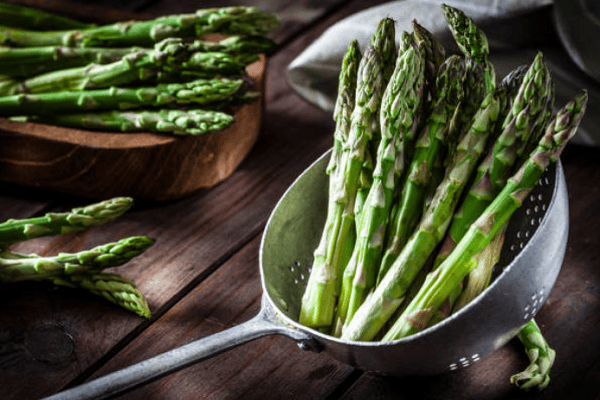
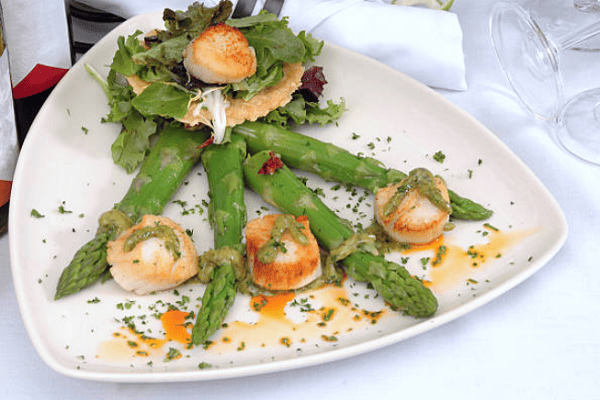
Young, thick shoots of the Asparagus plant (green or bleached) are used for food, rising no more than 6-8 inches from the ground. To preserve the nutritional and healing value of edible Asparagus , it is recommended to steam it or partially steam it (by placing up to half the shoot in boiling water) for 20-25 minutes.
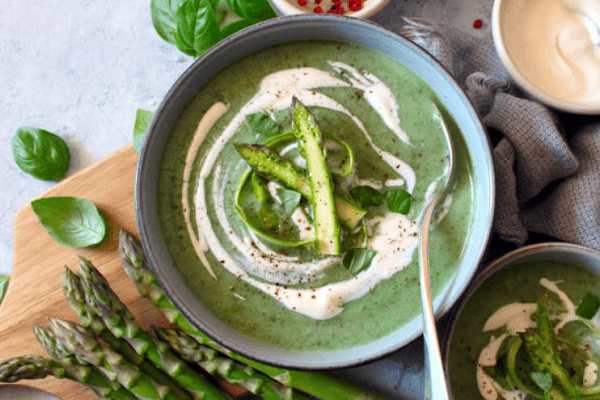
Edible Asparagus is an ideal food for therapeutic, preventative, or sports nutrition. It can be used to make vegetable soups (place the cooked plant in the bowl), vegetable salads, vegetable purees, vegetable pâtés, puddings, pie fillings, and vegetable sauces. This plant is equally suitable for both food and beverages (juices, smoothies, and vegetable milkshakes).
Today, edible asparagus is considered an early vegetable, ready to be eaten for its beneficial nutrients in early spring, when many other food plants are already in the vegetative stage (three months earlier than typical early-ripening vegetables). A distinctive feature of asparagus is its long-lasting harvest, allowing for fresh vegetables to be harvested in late fall and winter (in greenhouses). This means that asparagus is one of those rare, healthy food crops that can be consumed fresh almost year-round.












Read
Read













