


Healthy food >>>> What does milk consist of?
What does milk consist of?
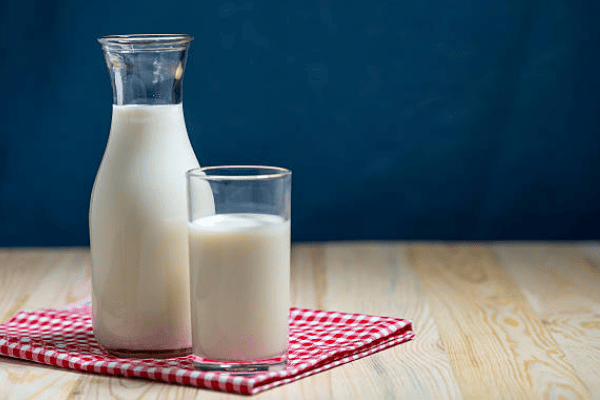
Milk as a food product is encountered by all people from the moment of their birth, since it is with dairy food that infant feeding begins. For this reason, milk has no equal products, it is unique in that it was invented by nature itself to support the body's vital functions at different age stages of its life. Milk itself is already a complete food. And this food is universal and very useful due to the composition of milk. From the point of view of biological value, as a staple food product, milk contains a uniquely selected balance of substances, thanks to which a person can do without other products and have normal health. There is no need to look for a food source with such microelements as zinc, iodine, fluorine, calcium, iron, phosphorus, cobalt, copper. They are present in milk and dairy products.
Milk is formed by proteins, fats and carbohydrates, which are the easiest for the body to digest. Milk proteins are very diverse in both content and consistency. The protein component in milk is in the state of a colloidal solution. Milk proteins include about 16 types of different protein structures, very unique in their action. Especially valuable in milk are such protein structures as casein and whey proteins.
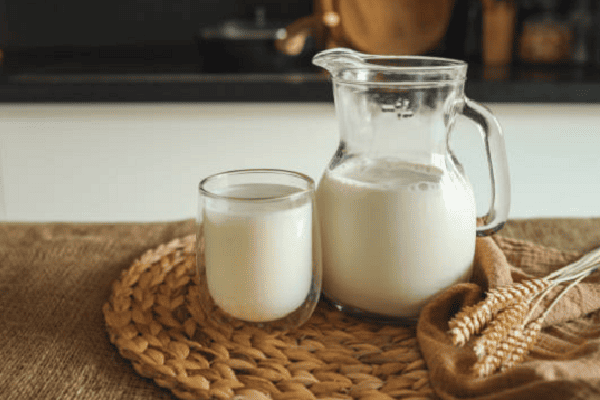
In terms of protein content, milk is one of a very limited number of foods in which proteins are soluble and easily digestible by the human body. Unlike other types of proteins, milk proteins are almost completely digestible by the body (up to 96%). Egg whites have similar properties (raw egg whites are soluble). For comparison, the nutritional value of proteins in 0.2 gal of milk is comparable to the proteins of six eggs. And the protein content in cottage cheese is comparable to their content in meat or fish. The amino acid Lysine, which is in acute deficiency for the body, is found in milk, wheat bread and cereals. But there is three times more of it in milk than in wheat bread and cereals. This group of products contains mutually complementary rare types of amino acids. For this reason, the combination of milk and bread, milk and pasta, as well as milk and cereals in food is considered ideal and complete dishes for eating.
Milk proteins have an interesting and useful property for the body to neutralize the action of alkaloids (plant substances harmful to the body). For example, caffeine alkaloids are perfectly neutralized by milk. This is where the dietary habit of drinking coffee with milk or cream comes from.
Milk carbohydrates are Lactose (milk sugar). It is similar in composition to beet sugar, but its chemical properties are very different from sugar, since it has a valuable property to cause lactic acid fermentation under the action of the enzyme Lactase. And this process, in turn, suppresses the development of putrefactive microflora (stops the processes of decay in the intestines). Not all people have the opportunity to drink whole milk, since they do not have the enzyme Lactase, or its effect is not sufficiently expressed, and as a result, fermentation processes occur in the intestines, accompanied by bloating. People with this type of enzymatic deficiency have the opportunity to drink milk only in the form of lactic acid products (yogurt, cottage cheese, cheese, fermented baked milk).
Milk fats are the most delicious and easily digestible fats that do not tend to be deposited on the walls of blood vessels or in organ tissues. The body uses milk fats completely or deposits them in a special tissue for further use. One hundred percent milk fats do not contribute to the processes of morbid obesity, but they also participate in metabolic processes and maintain a healthy appearance of fat tissue and the work of the sebaceous glands that nourish the skin. The fat content of milk is directly related to the feeding conditions of animals and the species of animals that are its source.
Milk is a virtually complete vitamin complex for maintaining the health of the body. All the necessary fat-soluble vitamins are present in milk – vitamin A, vitamin E, vitamin D. Milk is rich in water-soluble vitamins of group B, vitamin PP, vitamin C. Milk is especially rich in vitamin B2 – milk provides half of a person’s daily need for this vitamin.
In addition to its own microelements and vitamins, milk can create favorable conditions for the absorption of other vitamins and minerals of plant origin. For this reason, it is useful to add sour cream, cream, yogurt, kefir, cheese, feta cheese, and cottage cheese to fresh vegetable salads.
An important condition for milk consumption is its purification and heat treatment. In industrial production, milk is filtered and pasteurized. Milk sterilization also creates conditions for its disinfection, but during sterilization, the absorption of milk proteins decreases and the nutritional value of milk changes. Only pasteurized milk can be used immediately in nutrition; raw milk must be boiled (sterilized).
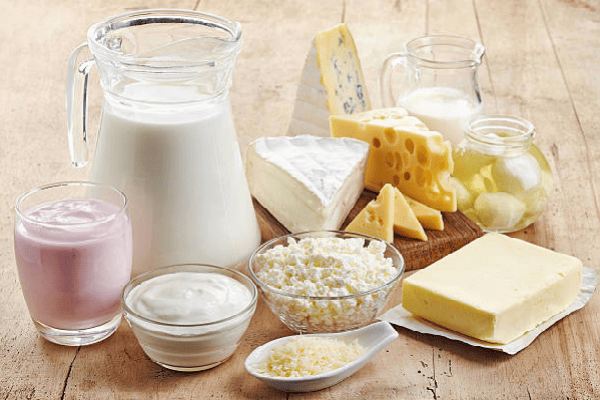
Dairy products are the most common food products. Cream, sour cream, butter, yoghurt, cottage cheese, fermented baked milk, cheese, ice cream, cream, sauce - all these products are derivatives of milk. Without dairy products, it is impossible to make many other food products, for example, some types of dough are impossible without milk, kefir or sour cream. Soups and drinks from milk are also necessary and often consumed. Many fillings for casseroles, pies, cakes, pastries, pancakes, cheesecakes, fritters, dumplings are impossible without dairy products. Milk is a universal product for therapeutic, dietary and sports nutrition.
In addition to its nutritional value, milk has cosmetic properties. Dairy products (sour cream, cream, full-fat kefir) lighten the skin and relieve inflammation from sunburn. A cosmetic procedure called a milk bath is based on these properties of milk. At the same time, milk is the most accessible adsorbent and neutralizer of harmful substances in the body.
Many years have passed since humanity understood the value of milk, but to this day milk remains not only a food product, but also a medicinal product.












Read
Read













