

Healthy food >>>> Vegetables in nutrition
Vegetables in nutrition
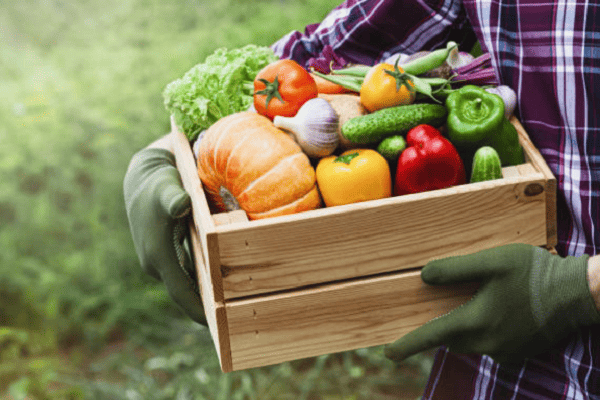
Vegetables form the basis of the human diet, regardless of meat preferences. They are the body's primary sources of vitamins and minerals, as well as water, proteins, carbohydrates, organic acids, and many other beneficial substances. These nutritional properties of vegetables underlie as nutrition based solely on plant foods.
Some vegetables (garlic, onions) act as foods that inhibit the growth of harmful microflora in the intestines. In this way, they are very similar to medicinal products.
The petioles, leaves, and stems of edible vegetables are a source of fiber, which supports gastrointestinal motility. Root vegetables are rich in fiber, vitamins, and some are rich in essential oils (celery, parsley, parsnip, radish, turnip, and radish roots). Mono-vegetable diets are not recommended, as different vegetables contain different amounts of nutrients. For example, cauliflower and broccoli are rich in B vitamins, essential oils, fiber, vitamin C, and plant proteins. Tomatoes, pumpkin, and carrots are rich in vitamin A and carotene.
Legumes contain up to 35% protein and up to 53% carbohydrates. Rutabagas, radishes, and kohlrabi are rich in calcium and magnesium salts and B vitamins. Potatoes, at harvest, contain up to 40% vitamin C in addition to starchy substances (carbohydrates). However, stale potatoes (in storage) lose vitamin C very quickly.
Carrots and beets contain high levels of sugar, approaching and exceeding the fructose and sucrose content of fruits. Brussels sprouts contain a range of mineral compounds that help normalize metabolic processes in the body.
Nutritionists emphasize the health benefits of vegetables in the nutrition because they are rich in enzymes, mineral salts, organic acids, and other substances that the body cannot synthesize. Although vegetables are low in protein, they are a source of amino acids, which the body cannot synthesize. For this reason, it is recommended to combine plant-based foods (especially leafy greens) with meat and dairy products (milk, sour cream, yoghurt, and cream).










Read
Read