


Healthy food >>>> Food products for pregnant women
Food products for pregnant women
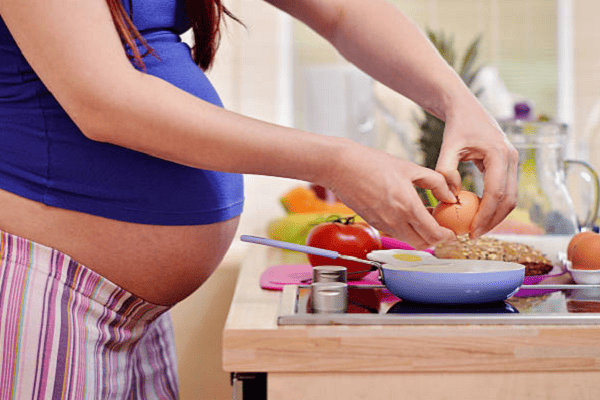
Pregnancy is a special time in a woman's life, when she is responsible not only for her own health, but also for the developing health of her future baby. And if a woman could choose any type of food for her diet before pregnancy, then during pregnancy she has to consider all food products from the point of view of their usefulness and uselessness for the development of the fetus.
It is extremely difficult to monitor your weight during pregnancy, as it is difficult to control your double appetite. But you need to know that you cannot lose weight during pregnancy. If a woman, due to some circumstances, begins to eat poorly, then during pregnancy, a weight loss of 10 kg over a month and a half can lead to the need to terminate the pregnancy to save the health and life of the woman herself.
As the fetus develops inside the mother's womb, its nutritional needs are reflected in the woman's desires, which may look like food fads. But these food fads are the result of the process of growth and formation of the fetus, during which it needs "building materials". For this reason, it is necessary to pay a lot of attention to your food desires and choose the right foods in order to please yourself with tasty food and replenish the reserves of necessary nutrients for the health of the fetus.
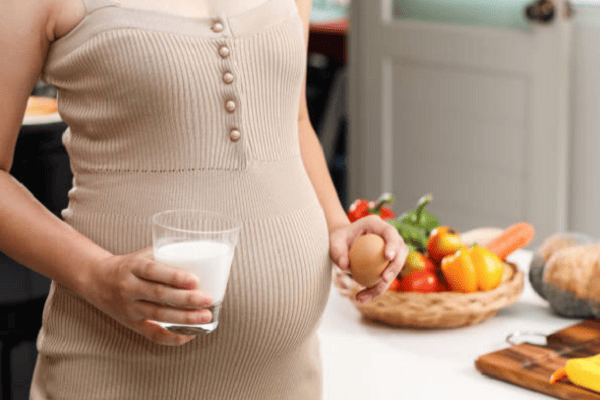
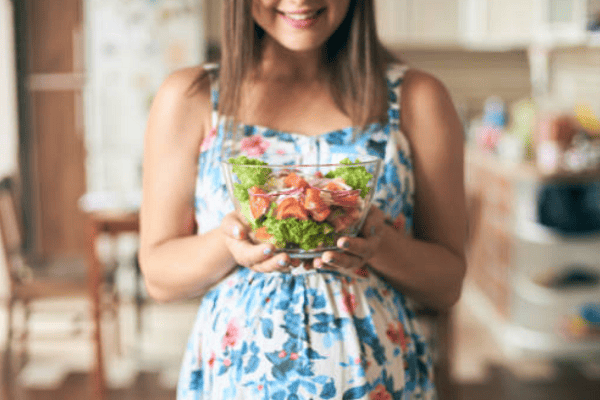
Food products during pregnancy are selected taking into account that the fetus needs B vitamins, vitamins A and C, vitamins D and E for growth and proper formation. These vitamins are the basis for the future health of the baby and its further development.
The B vitamin group is responsible for the correct formation of various types of tissue (skin, muscles, ligaments, connective tissue, organ parenchyma and other types), and is also responsible for the correct development and functioning of nascent organs and tissues of the nervous system. The consumption of B vitamins during pregnancy increases two to three times. This group of vitamins can be obtained by eating such products as cereals (barley, oatmeal, buckwheat), various types of bread , nuts, animal liver, and brewer's yeast (as a nutritional supplement).
Vitamin A is responsible for normal development and growth of a person during the intrauterine period and after birth. During pregnancy, the consumption of this vitamin increases by double or two and a half times. Food products that contain enough vitamin A for a pregnant woman's diet are butter (milk fat), cheeses, carrots, and apricots.
Ascorbic acid (vitamin C) during pregnancy is necessary in daily doses of 3.5 - 7 ounces. Foods rich in ascorbic acid should be consumed raw. These include fresh vegetables (green onions, lettuce, cabbage, onions, tomatoes, turnips), fresh fruits (lemons, oranges, tangerines, grapefruits, apples) and fresh berries (black currants, gooseberries, strawberries).
Vitamin D is especially important for the development of the fetus, as it is responsible for the quality and proper development of bone tissue, teeth, and hair. A person usually receives doses of vitamin D from sunlight, but the fetus does not have this opportunity. Therefore, its vitamin D is contained in fish oil (fatty fish fillet), fish roe, and in smaller quantities in egg yolk and milk.
Vitamin E is needed by both the fetus and the mother, as it is responsible for the growth of the uterus during pregnancy as the fetus grows. Vegetable oils (olive, sunflower, corn), cereals (corn, wheat germ), seeds (sunflower, pumpkin), nuts (peanuts, almonds) and vegetables (avocado, olives) are rich in this vitamin.
During pregnancy it is necessary to consume foods rich in Iodine (walnuts, seaweed), Selenium (Brazil nuts, sunflower seeds, liver, fish, crayfish meat, lobster meat, crab meat), Potassium (spinach and sorrel leaves, pepper fruits, pistachio kernels, pineapple) and Calcium (dairy products and their derivatives). These microelements also lay the foundation for the future health of the child.
To have a good appetite during pregnancy, it is necessary to properly serve dishes on the table - they should be tasty and attractive, stimulate appetite and create a good mood. Only a fully nourished mother can give birth to a fully healthy child.












Read
Read













