


Healthy food >>>> What are the health benefits of the roots of spicy plants?
What are the health benefits of the roots of spicy plants?
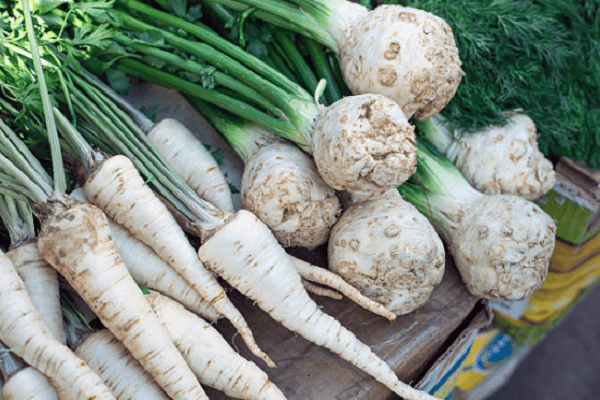
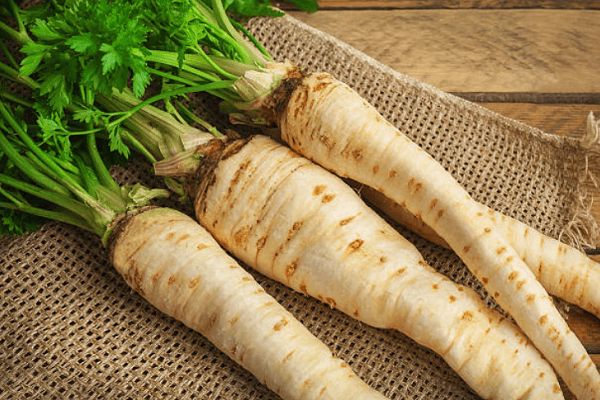
There are many food plants whose edible parts include not only their fruits and above-ground green parts, such as stems and leaves, but also their roots, which contain a more concentrated set of beneficial vitamins and minerals. Well-known spicy root vegetables—celery root, parsley root, and parsnip root—are just a few of the many spice crops whose roots are commonly consumed not only as spices but also as medicinal and highly beneficial plant foods.
The roots of many herbal plants have proven to be much more beneficial for the health of their above-ground parts, as they concentrate a rich array of nutrients needed for plant development and fruiting. These beneficial substances are also beneficial for maintaining human health. Harvesting the roots of food plants is the oldest method of obtaining nutritious food. And preparing them so that food becomes uniquely delicious is a culinary science in itself.


The most familiar and widely grown roots of celery, parsley, and parsnip are convenient to use in cooking because they yield a significant amount of edible product. These roots are easily cooked, including sautéed, baked, steamed, stewed, and boiled. They can be used in soup dressing and as a seasoning for various dishes much more widely than the greens, fruits, or seeds of spice plants. Furthermore, the roots of spice plants are not as pungent as the greens, fruits, or seeds of spice plants. Cooking can reduce the pungency of spice roots, almost completely eliminating the bitter taste. The remaining aroma and flavor of spice roots make an excellent substitute for any spices, for example, if these spices are contraindicated for various ailments.
Celery, parsley, and parsnip roots are rich sources of ascorbic acid and B vitamins. They also contain high concentrations of beneficial micronutrients such as magnesium, potassium, sodium, phosphorus, calcium, and iron.
Knowing how to prepare celery, parsley, and parsnip roots can greatly add variety to a traditional and overly familiar diet. If you don't need seasonings for soups, stews, and baked dishes, celery, parsley, and parsnip roots can come to the rescue. They allow you to modify any dish and adapt it to preventative, therapeutic, or sports diets.
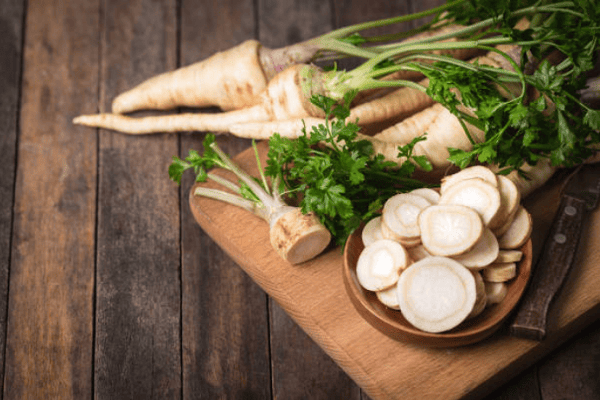

Typically, the roots of herbs are peeled, sliced lengthwise (into strips) or crosswise (into rounds), and boiled or stewed during the preparation of broth (vegetable or meat). These roots can then be left in the dish they are being prepared in, added to salads or appetizers, or used as a sandwich filling.
Very healthy and delicious salads are created by adding boiled, stewed, or baked celery, parsley, and parsnip roots to leafy greens (broccoli, lettuce, cabbage, or kale), as well as to salads with boiled vegetables (potatoes, carrots, beets, beans, peas, and corn). These herb roots pair perfectly with foods such as meat, eggs, cheeses, pasta, cottage cheese, fresh fruits, and berries.
It's very convenient to use cooked roots of herbs when preparing dishes to reduce the spiciness of dishes and replace all the usual spices with them. This way, you can maintain a healthy digestive system while simultaneously making your dishes healthy, nutritious, delicious, and appetizing.












Read
Read













